New Research Could Make Long-Term Breast Cancer Treatment Decisions Easier

For many women with hormone receptor-positive breast cancer, finishing treatment does not necessarily mean finishing medication. Drugs such as tamoxifen and aromatase inhibitors are often taken for at least five years to help reduce the risk of cancer returning. Some patients may benefit from continuing treatment beyond five years, while others may gain very little additional benefit.
A new study suggests a genomic test called the Breast Cancer Index (BCI) could help make that decision much more personal.
Published September 24, 2026, in JAMA Network Open, the study included 2,900 women with early-stage, hormone receptor-positive breast cancer. Researchers examined whether Breast Cancer Index results changed recommendations about extended endocrine therapy, which is hormone therapy continued beyond the initial treatment period.
The findings were significant. After receiving Breast Cancer Index results, doctors changed their recommendation about extended hormone therapy for 41.7% of patients. Patients changed their own treatment preference in 51% of cases. Doctors also reported greater confidence in their recommendations after receiving the test results.
Why Can the Five-Year Mark Be Such a Difficult Decision?
Hormone receptor-positive breast cancer can have a risk of recurrence that continues for many years after initial treatment. Extending endocrine therapy can lower the risk of a late distant recurrence for some patients, but the overall benefit varies considerably from person to person.
Long-term hormone therapy can also come with side effects. In this study, more than 82% of patients reported experiencing at least one side effect from endocrine therapy. Muscle and joint problems and hot flashes were among the most common. Some patients also reported vaginal, psychological and sexual side effects.
This creates a difficult question for patients approaching the five-year point: Will continuing hormone therapy actually provide enough additional protection to make the side effects worthwhile?
Until now, that answer has often depended heavily on traditional factors such as tumor size, lymph node involvement and other characteristics of the original cancer. The Breast Cancer Index adds another layer of personalized information.
What Is the Breast Cancer Index?
The Breast Cancer Index is a genomic test performed on tissue from the original breast tumor. It analyzes the activity of certain genes involved in cancer growth and response to hormone therapy.
The test provides two important pieces of information. It can estimate a patient’s risk of experiencing a distant breast cancer recurrence later in survivorship, and it can help predict whether that patient is likely to benefit from continuing endocrine therapy beyond five years.
In other words, the test is not simply asking, “Could this cancer come back?” It also helps address a second question: “Is extending hormone therapy likely to help this particular patient?”
That distinction is important because a higher risk of recurrence does not automatically mean that every patient will receive the same benefit from additional years of hormone therapy.
The Test Changed Treatment Decisions
Among the 2,900 women included in the study, the Breast Cancer Index identified 37.9% as having a higher likelihood of benefiting from extended endocrine therapy. The remaining 62.1% were classified as having a lower likelihood of benefit.
Doctors adjusted their recommendations accordingly.
Among patients whose Breast Cancer Index indicated a higher likelihood of benefit, recommendations for extended hormone therapy increased substantially after testing. For patients whose results suggested a lower likelihood of benefit, doctors became much more likely to recommend against extending treatment.
Overall, more than four in ten treatment recommendations changed after doctors received the Breast Cancer Index results.
The information also affected how patients felt about their treatment. More than half changed their preference about continuing hormone therapy after learning their results, and many reported feeling more comfortable with the decision.
Could This Help Prevent Unnecessary Treatment?
Potentially, and that is one of the most encouraging parts of the research.
Extended endocrine therapy can reduce the risk of late distant recurrence in early-stage hormone receptor-positive breast cancer, but studies cited by the researchers suggest the absolute reduction may range from about 1% to 5%. The benefit therefore needs to be weighed against the possible side effects and risks of continuing treatment.
A personalized genomic test may help doctors identify patients who are more likely to benefit from additional treatment while allowing some lower-benefit patients to avoid years of therapy that may offer them little additional protection.
The goal is not simply to give patients less treatment. It is to give each patient the amount of treatment most appropriate for her individual cancer.
What Does This Mean for Breast Cancer Survivors?
The study does not mean that patients should stop hormone therapy based on a Breast Cancer Index result alone. Treatment decisions still need to consider a patient’s full medical history, original cancer characteristics, side effects, personal preferences and recommendations from their oncology team.
However, the results show how genomic testing can add valuable information to a decision that has historically been difficult for both patients and doctors.
The Breast Cancer Index is already recognized in major clinical guidelines for helping guide decisions about extended endocrine therapy in certain patients with early-stage, hormone receptor-positive breast cancer.
For someone approaching five years of hormone therapy, this research may provide another important question to bring to an oncology appointment:
“Would the Breast Cancer Index help us decide whether I would benefit from continuing hormone therapy?”
For breast cancer survivors facing years of additional medication, having more personalized information could make an uncertain decision clearer and help ensure that long-term treatment is based not only on what can be done, but on what is most likely to benefit the individual patient.
SUPPORTING YOUR RECONSTRUCTION DECISIONS
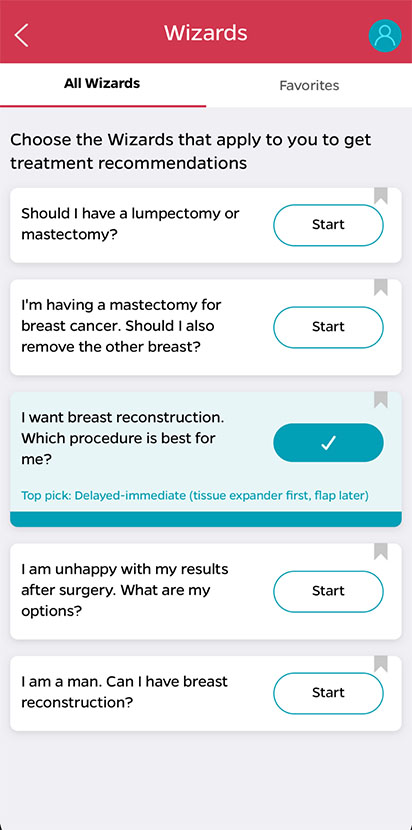
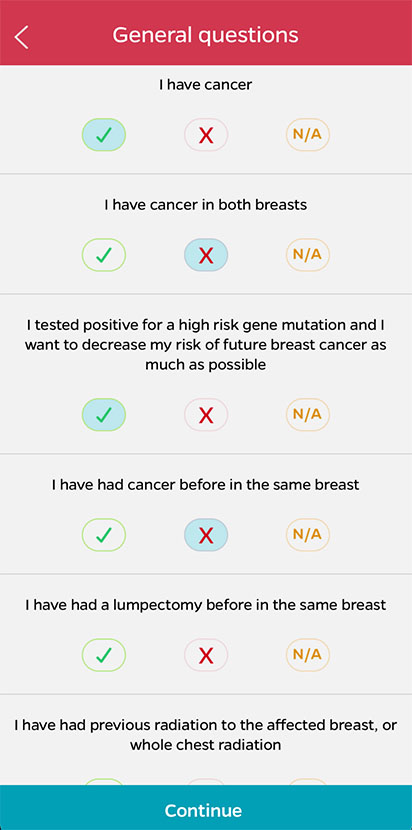
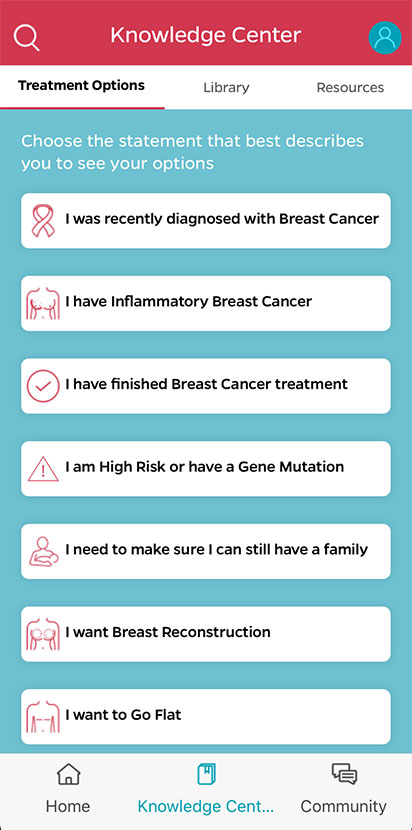
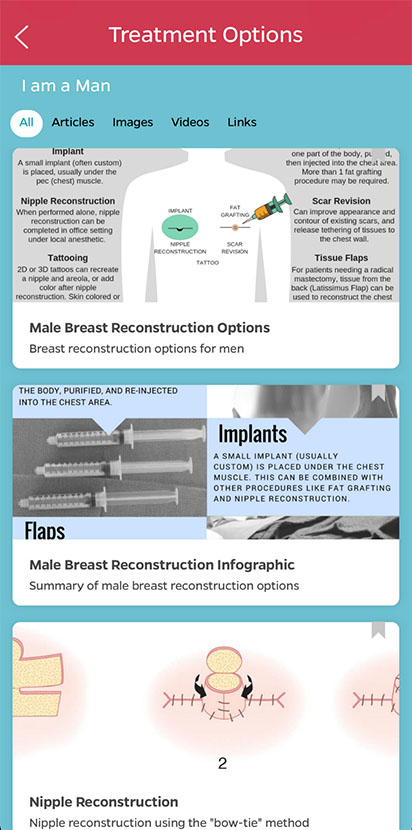
Breast Advocate helps patients explore breast cancer surgery and reconstruction options through evidence-based education and decision-support tools.
The free app encourages patients to consider their values and prepare for conversations with their care teams.
Research into sensation restoration continues to expand the possibilities for breast reconstruction. Every patient deserves information about the options that may matter to them.
Your treatment, your voice.
« Back