New Hope for Breast Cancer Treatment: Targeting Cell Recycling to Stop Brain Tumors
University of Arizona Researchers Find New Way to Treat Breast Cancer That Spreads to the Brain

Understanding Autophagy: The Cancer Cell’s Recycling System
Tucson, AZ — Scientists at the University of Arizona Cancer Center have made an important discovery that could lead to better treatments for breast cancer, especially when it spreads to the brain. This type of cancer is very hard to treat, but the researchers have found a new way to attack it using hydroxychloroquine and lapatinib for breast cancer brain metastases.
When breast cancer cells move to the brain, they start acting differently. The researchers found that these cells use a process called autophagy much more than the original breast cancer cells. Autophagy is like a recycling system for cells. It helps cancer cells survive when they are under stress, such as when they are being attacked by cancer drugs.
“The outlook for people with breast cancer that has spread to the brain is not good, and it’s really hard to treat,” said Dr. Jennifer Carew, one of the main researchers. “But we found that if we stop the cancer cells from using this recycling system, we can stop them from growing in the brain.”
Blocking a Key Gene: A Breakthrough in Stopping Cancer Spread
In their study, the researchers discovered that by blocking a gene called ATG7, which is important for autophagy, they could stop breast cancer cells from spreading to the brain in mice. Next, they looked for a drug that could do this in people.
They found that an existing drug, hydroxychloroquine, could help. This drug is already approved by the Food and Drug Administration (FDA). Additionally, it can cross the blood-brain barrier, which means it can get into the brain where many other drugs cannot.
“Most drugs can’t get into the brain easily, and that’s one reason brain metastases (cancer spread to the brain) are so hard to treat,” Dr. Carew explained. “But hydroxychloroquine can, which makes it a good candidate.”
Combining Treatments: Hydroxychloroquine and Lapatinib
The team then combined hydroxychloroquine with another FDA-approved drug for breast cancer called lapatinib. In their experiments with mice, this combination reduced both the number and size of breast cancer tumors in the brain.
Hydroxychloroquine has been tested with other cancer drugs before. This, however, is the first time anyone has tried it with lapatinib for breast cancer. The results were impressive.
“Unfortunately, cancer cells are very good at finding ways to survive,” Dr. Carew said. “It’s amazing to see that by changing just one thing, we can have such a big impact.”
A New Path Forward: Clinical Trials and Future Hope
Dr. Steffan Nawrocki, the first author of the study, added, “Our research shows that autophagy helps cancer cells resist many treatments. Since hydroxychloroquine and lapatinib are already approved by the FDA, we can quickly start testing this combination in clinical trials with patients who have breast cancer that has spread to the brain.”
Breast cancer that spreads to the brain is the most common type of tumor in adults’ central nervous systems. About 20% to 30% of these cases start as breast cancer. Especially in patients with certain types like triple-negative and HER2-positive. Only about 20% of these patients survive more than five years.
This study offers new hope and a potential new treatment strategy for these patients. The next step is to test this drug combination in clinical trials to see if it works in humans. The researchers are optimistic that the combination of hydroxychloroquine and lapatinib for breast cancer brain metastases could be a game-changer.
Stay informed and engaged with the latest advancements. Empower yourself with knowledge and make more informed decisions about your breast cancer treatment and care. Visit the Breast Advocate App website today and join us in the fight against breast cancer.
Exciting New Discovery Could Make Chemotherapy Safer for Cancer Patients
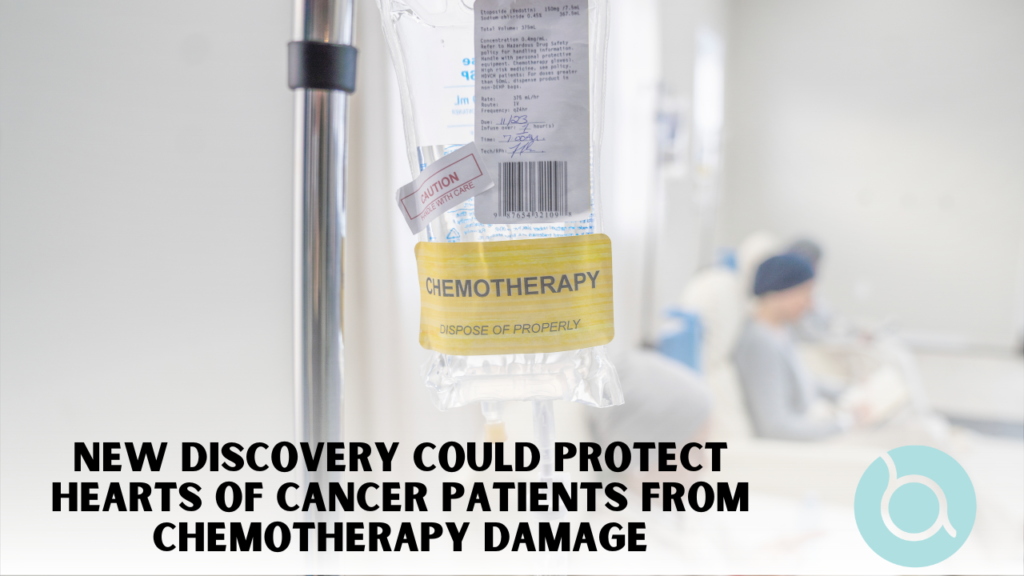
Scientists at Washington State University have made an important discovery that could help make cancer treatments safer for the heart. They found that blocking a protein called CDK7 can protect hearts and boost cancer treatment
Why This Matters
Many cancer patients are treated with a drug called doxorubicin. This drug is very effective at killing cancer cells but can also cause serious damage to the heart. This heart damage might not show up until many years after treatment. It can lead to heart attacks, heart failure, and other heart diseases. This new study could help find ways to reduce these risks and improve the lives of cancer patients.
How They Made the Discovery
The researchers studied mice and found that when they blocked the CDK7 protein, the mice did not suffer from the heart damage usually caused by doxorubicin. They used a special drug called THZ1 to block CDK7. Interestingly, they also found that this drug not only protected the heart. But it also made doxorubicin even better at killing cancer cells.
What’s Next?
The scientists plan to do more research to understand how blocking CDK7 can help both the heart and the cancer treatment. They want to test the effects on younger mice to see if the protection lasts longer. Similar to how heart damage in human cancer survivors can appear many years later. They will also look at other proteins that might be involved in causing heart damage.
Hope for the Future
This discovery is a big step toward making chemotherapy treatments safer by aiming to protect hearts and boost cancer treatment. If future studies confirm these findings, it could lead to new treatments. Thus helping cancer patients live longer and healthier lives.
This important research was published in the journal Cardiovascular Research. As well as supported by the National Heart, Lung, and Blood Institute and the National Cancer Institute.
Stay informed and engaged with the latest advancements. Empower yourself with knowledge and make more informed decisions about your breast cancer treatment and care. Visit the Breast Advocate App website today and join us in the fight against breast cancer.
Experimental Plant Virus Treatment Shows Promise Against Metastatic Cancers in Mice

San Diego, CA — An innovative treatment derived from a plant virus has demonstrated significant efficacy in protecting against a wide array of metastatic cancers in mice, according to a new study conducted by researchers at the University of California San Diego.
Nanoparticles from Cowpea Mosaic Virus
The experimental treatment utilizes nanoparticles crafted from the cowpea mosaic virus (CPMV), a virus that typically infects black-eyed pea plants. The treatment notably enhanced survival rates and suppressed the growth of metastatic tumors across several cancer models, including colon, ovarian, melanoma, and breast cancer. Additionally, similar promising results were observed in mice that received the treatment following surgical removal of their tumors.
Published Findings
These groundbreaking findings were published recently in the journal Advanced Science.
Building on Previous Research
This study builds on prior research led by Nicole Steinmetz, Ph.D., a professor of nanoengineering at UC San Diego. Dr. Steinmetz also serves as the director of the Center for Nano-ImmunoEngineering and co-director of the Center for Engineering in Cancer at the university. Steinmetz and her team have been exploring the use of CPMV nanoparticles to activate the immune system to combat cancer and inhibit its spread and recurrence. Early experiments involved direct injection of these nanoparticles into tumors to stimulate an immune response. Although the virus is harmless to mammals, it is still recognized as a foreign entity by the immune system, prompting a strong response against both the existing tumor and any future tumors.
Systemic Administration Proves Effective
In this latest study, however, the researchers demonstrated that direct tumor injection is not necessary for the treatment’s efficacy. Systemic administration of the CPMV nanoparticles significantly improved survival rates and prevented metastasis.
Activation of the Immune System
“Here, we do not treat established tumors or metastatic disease — we prevent them from forming. We are providing a systemic treatment to wake up the body’s immune system to eliminate the disease before metastases even form and settle,” said Steinmetz.
Methodology: Producing and Testing Nanoparticles
To create the nanoparticles, the researchers cultivated black-eyed pea plants in the lab and infected them with cowpea mosaic virus. Millions of copies of the virus were harvested in the form of ball-shaped nanoparticles, which required no further modification before use in experiments. “Nature’s powerful nanoparticles, as produced in black-eyed pea plants,” noted Steinmetz.
Testing in Mouse Models
The researchers tested the efficacy of the treatment in mouse models of colon, ovarian, melanoma, and breast cancers. Mice injected with CPMV nanoparticles, then challenged with metastatic tumors a week later, exhibited improved survival rates and reduced tumor growth compared to untreated mice. Even when challenged with new tumors a month later, treated mice showed similar positive outcomes.
Post-Surgery Effectiveness
The researchers are particularly excited about the treatment’s effectiveness post-surgery. In another set of experiments, administering the nanoparticles after surgical removal of tumors resulted in improved survival rates and decreased tumor regrowth in mice.
“Even if you perform surgery to remove the tumors, no surgery is perfect and there is outgrowth of metastasis if no additional treatment is provided,” said Steinmetz. “Here, we use our plant virus nanoparticles after surgery to boost the immune system to reject any residual disease and prevent circulating tumor cells from metastatic seeding. We found that it works really, really well!”
Future Directions
The goal is to gear up for clinical trials. As the research progresses, the team will be conducting safety studies and exploring the treatment’s efficacy in pet animals with cancer. Future studies will also focus on understanding the mechanisms underlying the immune-boosting properties of CPMV nanoparticles.
Stay informed and engaged with the latest advancements. Empower yourself with knowledge and make more informed decisions about your breast cancer treatment and care. Visit the Breast Advocate App website today and join us in the fight against breast cancer.
Rising Breast Cancer Rates Among Younger Women in Canada Highlight Urgent Need for Awareness

Increasing breast cancer rates among women in Canada
A recent study led by Dr. Jean Seely, published in the Canadian Association of Radiologists Journal. The study highlights a concerning increase in breast cancer rates among Canadian women under 50. The study observed a increasing breast cancer rates among women in Canada in their twenties, thirties, and forties over the past 35 years. Calling for urgent action to address the trends.
Dr. Seely serves as the Head of Breast Imaging at The Ottawa Hospital and is a Professor in the Department of Radiology at the University of Ottawa. She led the team analyzing historical data from the National Cancer Incidence Reporting System (1984-1991) and the Canadian Cancer Registry (1992-2019). They reviewed all breast cancer diagnoses among women aged 20 to 54, revealing a significant increase in rates.
- Twenties: From 3.9 cases per 100,000 between 1984 and 1988. To 5.7 cases per 100,000 between 2015 and 2019, marking a 45.5% increase.
- Thirties: From 37.7 cases per 100,000 between 1984 and 1988. To 42.4 cases per 100,000 between 2015 and 2019, a 12.5% rise.
- Forties: From 127.8 cases per 100,000 between 1984 and 1988. To 139.4 cases per 100,000 between 2015 and 2019, a 9.1% increase.
“Breast cancer in younger women tends to be diagnosed at later stages and is often more aggressive,” Dr. Seely noted. “It’s alarming to see rising rates among women in their twenties and thirties.”
Dr. Seely, and Dr. Anna Wilkinson, emphasized that younger women must be included in awareness campaigns and screening programs. Traditionally, public health efforts have targeted women over 50. The rising incidence in younger groups demands a re-evaluation of strategies.
Personal Impact
Chelsea Bland, one of the women impacted, shared her experience. After hearing of a death from breast cancer at age 33, she self-examined at 28 and discovered a lump. This led to her diagnosis, treatment, and now being two years cancer-free. Bland’s experience propelled her to co-found a support group for younger women, aged 28 to 40.
“I hope […] people will rethink saying that being in your twenties, thirties, and forties is too young for breast cancer,” she shared. “In my support group, I have heard the same story repeatedly. Young women aren’t being taken seriously after finding a lump because they’re told they’re too young for breast cancer.”
Next Steps
The research team called for further investigation into the root causes of this increase. Such findings could inform new, more targeted intervention strategies.
“We’re calling for increased awareness among healthcare professionals and the public regarding the rising incidence of breast cancer in younger women,” emphasized Dr. Seely. “We must adapt our strategies and policies to reflect these changing trends, ensuring that all women, regardless of age, have access to the information and resources they need to detect and combat this disease.”
These findings underscore the urgent need for greater awareness, research, and proactive healthcare policies. Addressing the evolving landscape of breast cancer among younger women in Canada.
Stay informed and engaged with the latest advancements. Empower yourself with knowledge and make more informed decisions about your breast cancer treatment and care. Visit the Breast Advocate App website today and join us in the fight against breast cancer.
Researchers Illuminate the Mystery of Breast Cancer Dormancy

In a groundbreaking review of in vitro breast cancer studies conducted at the University of Massachusetts Amherst, researchers have unveiled a startling revelation. There’s a significant gap in our understanding of how breast cancer cells can lay dormant, spread silently, and resurface years or even decades later. This discovery could revolutionize the way we approach breast cancer treatment and detection.
Understanding Breast Cancer Dormancy
Provost Professor of Chemical Engineering, Shelly Peyton, expressed her concern, “Less than 1% of all these studies that combine cells with designer environments look at dormancy. It’s not enough. We just don’t understand what’s happening — and it’s killing patients.”
The Impact of Breast Cancer Dormancy
Breast cancer dormancy is a perplexing phenomenon where cancer cells metastasize to distant sites in the body but remain inactive. Patients may seem disease-free for extended periods after the removal of their primary tumor. Only to experience a resurgence of deadly metastases later on.
“This relapse in distant organs impacts 40% of early-stage breast cancer patients, and breast cancer dormancy is a contributing factor,” explains Nate Richbourg, lead author of the paper. However, dormant cancer cells are incredibly challenging to detect, making it difficult for healthcare providers to intervene effectively.
In Vitro Studies and Insights
The review, published in Science Advances, scrutinized in vitro studies, focusing on benchtop-model environments. These studies allow researchers to control environmental factors precisely, offering insights into why cells remain dormant or reactivate.
Richbourg emphasizes the importance of in vitro modeling, stating, “When we create this artificial dormancy, we can see how many of those cells could turn back into proliferating and potentially deadly cells.”
Complexity of the Environment
The complexity of the environment’s role in breast cancer dormancy was a key finding. “Everything works together to create this breast cancer dormancy effect,” Richbourg explains, urging the need for nuanced models that capture these intricacies.
Peyton sees their work as a clarion call for action, urging the field to push boundaries and explore new avenues. “The paper is calling out to the field that we need to do more,” she says. This includes enhancing existing materials, developing new models, and diversifying cell lines for research.
Hope for Future Treatments
Ninette Irakoze, a graduate student in the Peyton Lab, highlights the potential impact of their research on clinical trials. “The paper gives hope that, with more development of these in vitro models, eventually we could find treatments to eradicate dormant cancer.”
As breast cancer continues to be a leading cause of mortality worldwide, these findings provide a glimmer of hope for patients and researchers alike. By unraveling the mysteries of breast cancer dormancy. We inch closer to more effective treatments and improved outcomes for those battling this devastating disease.
Stay informed and engaged with the latest advancements. Empower yourself with knowledge and make more informed decisions about your breast cancer treatment and care. Visit the Breast Advocate App website today and join us in the fight against breast cancer.
Breakthrough Research Offers Hope for Preventative Breast Cancer Treatment

A groundbreaking study conducted by researchers at the University of Cambridge has unveiled promising insights. For Individuals carrying BRCA1 and BRCA2 gene mutations, early detection and prevention of breast cancer.. Published in Nature Genetics, the research sheds light on potential alternatives to risk-reduction surgery, offering new hope for prophylactic patients.
Immune Cell Dysfunction: A Precursor to Breast Cancer
Lead researcher Professor Walid Khaled highlights the significance of the findings, stating, “Our results suggest that in carriers of BRCA mutations, the immune system is failing to kill off damaged breast cells, which in turn seem to be working to keep these immune cells at bay.”
Creating the Human Breast Cell Atlas: A Resource for Further Investigations
The study analyzed healthy breast tissue samples from 55 women of different ages. It found signs of immune cell malfunction called ‘exhaustion’ in BRCA1 and BRCA2 mutation carriers. Surprisingly, these exhausted immune cells, usually linked with late-stage tumors, were present in non-cancerous breast tissue, suggesting a predisposition to cancer development.
Paving the Way for Preventative Treatments
The research team created the Human Breast Cell Atlas, the world’s largest catalogue of human breast cells. It’s a vital resource for studying breast cancer development and risk factors. The atlas contains comprehensive data on various breast cell types, revealing insights into the complex interplay of genetic and environmental factors in cancer pathogenesis.
Repurposing Immunotherapy Drugs: A Novel Approach
Further research and clinical trials are underway, aiming to develop a non-surgical preventative treatment for those at high risk of breast cancer. This represents a significant advancement in personalized cancer prevention. The scientific community is unraveling the complexities of breast cancer development. Hope for proactive interventions is growing, potentially reshaping cancer care.
Stay informed and engaged with the latest advancements. Empower yourself with knowledge and make more informed decisions about your breast cancer treatment and care. Visit the Breast Advocate App website today and join us in the fight against breast cancer.
New ‘GPS Nanoparticle’ Offers Hope for Targeted Breast Cancer Treatment
Researchers from Penn State University have developed a groundbreaking nanoparticle that could revolutionize breast cancer treatment. Dubbed the “GPS nanoparticle,” this innovative technology has shown promising results in targeting and combating hard-to-treat basal-like breast cancers.
Targeting Aggressive Breast Cancers
Basal-like breast cancers, akin to triple-negative breast cancers, pose significant challenges due to their aggressive nature and propensity for metastasis. Unlike other breast cancers, they lack specific therapeutic targets, making them difficult to treat.
Trojan Horse Approach
The GPS nanoparticle functions as a Trojan horse, disguised with specially designed fatty molecules resembling natural lipids. Loaded with CRISPR-Cas9 molecules, it can target specific genes implicated in cancer progression. In this study, the researchers targeted the FOXC1 gene, known for its role in promoting metastasis.
What sets this nanoparticle apart is its “zwitterionic” designer lipids, which remain neutral until they encounter the acidic environment of cancer cells. This ensures targeted payload release while minimizing off-target effects and immune responses.
Novel Targeting Strategy
To ensure precise targeting, the researchers attached an epithelial cell adhesion molecule (EpCAM) to the nanoparticle, known for its affinity to basal-like breast cancer cells. This strategy represents a novel approach in cancer treatment delivery systems.
Initial tests in human cell lines and mouse models have shown promising results, with the nanoparticle effectively delivering the CRISPR/Cas9 system to target cancer cells and suppress the FOXC1 gene.
Future Directions
The team’s next steps involve further refining the nanoparticle platform for potential clinical applications in humans. Beyond breast cancer, they see immense potential in customizing this technology for other therapeutic purposes.
This groundbreaking research offers hope for a more targeted and effective treatment approach for basal-like breast cancers, addressing an unmet clinical need and paving the way for innovative cancer therapies.
Funding and Collaboration
Funding for this study was provided by Penn State, the University of Maryland Baltimore School of Medicine, the Centers for Disease Control and Prevention, the U.S. National Science Foundation, and the U.S. Department of Defense Congressionally Directed Medical Research Program.
Stay informed and engaged with the latest advancements. Empower yourself with knowledge and make more informed decisions about your breast cancer treatment and care. Visit the Breast Advocate App website today and join us in the fight against breast cancer.
Annual Breast Cancer Screening from Age 40-79 Offers Highest Mortality Reduction

Published in Radiology, New Research Challenges Existing Screening Recommendations
In a breakthrough study published in the Radiological Society of North America (RSNA), researchers have shed new light on breast cancer screening practices. The study, led by Dr. Debra L. Monticciolo, has revealed compelling evidence in favor of annual breast cancer screening beginning at age 40 and continuing through at least age 79.
Breast cancer remains a significant health concern for women in the United States. Ranking as the second most common cause of cancer death. Despite the well-documented effectiveness of regular screening mammography in reducing breast cancer mortality by 40%. A staggering percentage of eligible women—only 50% or less—actually participate in annual screening.
Debates Over Screening Recommendations
Dr. Monticciolo noted the ongoing debate surrounding breast cancer screening recommendations, particularly regarding the age at which to commence screening and its frequency. The 2009 recommendation by the U.S. Preventive Services Task Force (USPSTF) advocating for biennial screening starting at age 50 resulted in a decline in screening participation nationwide. However, the USPSTF revised its stance in 2023, suggesting biennial screening between ages 40 and 74. In contrast, organizations such as the American College of Radiology, the Society of Breast Imaging, and the National Comprehensive Cancer Network endorse annual screening for women at average risk beginning at age 40.
Study Methodology and Analysis
The study conducted by Dr. Monticciolo and her team involved a secondary analysis of Cancer Intervention and Surveillance Modeling Network (CISNET) 2023 median estimates of breast cancer screening outcomes. CISNET modeling provided the opportunity to estimate screening outcomes at various frequencies and starting ages using U.S. data.
Comparing four different screening scenarios—biennial screening of women aged 50-74, biennial screening of women aged 40-74, annual screening of women aged 40-74, and annual screening of women aged 40-79. The researchers found that annual screening of women aged 40-79 resulted in the highest mortality reduction at 41.7%. Additionally, this approach showed the lowest per mammogram false-positive screens (6.5%) and benign biopsies (0.88%) compared to other scenarios.
Implications and Recommendations
Dr. Monticciolo emphasized the importance of their findings, stating that annual screening from age 40 to 79 provides the highest mortality reduction, most cancer deaths averted, and most years of life gained. She highlighted the manageable nature of screening risks compared to the potential lethality of advanced breast cancer.
The USPSTF’s concerns include recall rates and benign biopsies as potential harms. Dr. Monticciolo underscored the manageable nature of these risks compared to the benefits of early cancer detection. She urged primary care physicians to recognize the tremendous benefits of annual screening for women aged 40. Additionally, emphasized the need to prioritize women’s lives by adopting early detection strategies.
The study adds to the growing body of evidence supporting annual screening from age 40. Breast cancer being easier to treat when detected early. The findings underscore the importance of regular screening in saving lives and reducing the burden of advanced-stage disease.
Dr. Monticciolo expressed hope that the study’s findings would encourage policymakers to prioritize annual screening from age 40. Thus ensuring that more women have access to life-saving early detection measures.
Stay informed and engaged with the latest advancements. Empower yourself with knowledge and make more informed decisions about your breast cancer treatment and care. Visit the Breast Advocate App website today and join us in the fight against breast cancer.
New Study Reveals Heartening Alternative to Hormonal Treatment for Breast Cancer

For decades, the battle against estrogen receptor-positive (ER+) breast cancer has primarily focused on blocking estrogen. However, a groundbreaking global study, led by researchers at the University of Adelaide, has unveiled a potentially less toxic, highly effective method to combat this form of breast cancer.
Unveiling Enobosarm’s Potential
The study, published in The Lancet Oncology, highlights the promising role of enobosarm, a drug that stimulates the androgen receptor (AR), in treating ER+ breast cancer. According to senior co-author Professor Wayne Tilley, enobosarm’s efficacy lies in activating the AR. This activation triggers a natural defense mechanism in breast tissue, thereby slowing the growth of ER+ breast cancer.
The international collaboration involved researchers from the University of Adelaide, Dana-Farber Cancer Institute (DFCI) in Boston, USA, the University of Liverpool in the UK, and experts worldwide. The study assessed enobosarm’s effectiveness and safety in 136 postmenopausal women with advanced or metastatic ER-positive, HER2-negative breast cancer.
Promising Results and Patient Tolerance
Results demonstrated significant anti-tumor activity with enobosarm. It also appears to be well-tolerated by patients without adversely affecting their quality of life, or causing masculinizing symptoms. This marks a significant departure from traditional hormonal treatments that primarily target estrogen activity or inhibit the ER.
Dr. Beth Overmoyer from DFCI, emphasized the groundbreaking nature of the findings. “This is the first time a non-estrogen receptor hormonal treatment approach has been shown to be clinically advantageous in ER+ breast cancer.” Dr Overmoyer also highlighted the potential for enobosarm to be investigated in earlier stages of breast cancer and in combination with other targeted therapies.
Implications for Future Research and Treatment
With over 2.3 million cases identified globally each year, the implications of this research are profound. Dr. Stephen Birrell stressed the importance of further clinical trials for AR-stimulating drugs, especially in treating both AR-positive and ER-positive breast cancer. He also noted the possibility of enobosarm’s use in breast cancer prevention, given its well-tolerated nature.
The discovery of enobosarm’s effectiveness represents a significant milestone in the field of breast cancer treatment. Furthermore, offers a promising new oral strategy for the most prevalent form of the disease. As researchers continue to explore this study opens doors to improved outcomes and better quality of life for patients worldwide.
Stay informed and engaged with the latest advancements. Empower yourself with knowledge and make more informed decisions about your breast cancer treatment and care. Visit the Breast Advocate App website today and join us in the fight against breast cancer.
Breakthrough in Breast Cancer Prevention: Scientists Target Cells-of-Origin in BRCA2 Carriers

Unveiling the Source of Cancer in High-Risk Individuals
In a landmark study led by the Walter and Eliza Hall Institute of Medical Research (WEHI) in Australia, scientists have made a significant breakthrough in the fight against BRCA2 gene breast cancer. The research, recently published in Nature Cell Biology, identifies for the first time the likely ‘cells-of-origin’. The specific cells that can develop into breast cancer in individuals carrying this genetic mutation.
Women inheriting the faulty BRCA2 gene face a daunting approximately 70% lifetime risk of developing breast cancer. Often at a younger age and with a tendency towards clinical aggression. Preventive strategies have thus far been limited to early screening and preventive surgeries, such as mastectomies, to lower this risk.
A Targeted Approach to Cancer Prevention
The study’s co-first author, Dr. Rachel Joyce, highlighted the discovery of an aberrant cell population within the breast tissue of BRCA2 carriers. These cells, identified in the majority of healthy tissue samples from carriers, divide more rapidly than normal. Thus suggesting their pivotal role as the originators of potential future breast cancers in these women.
Further insights from the study revealed these aberrant cells to be a subset of luminal progenitor cells in breast ductal tissues. Displaying altered protein production – a key factor in tissue growth and function. This alteration not only earmarks these cells as the likely origin of cancer. But also exposes a vulnerability to existing cancer treatments.
Towards a New Era of Prevention
Leading the research, Professor Jane Visvader and her team developed a pre-clinical BRCA2 model demonstrating similar alterations. They targeted these cells with Everolimus, an approved drug for relapsed breast cancer, showing that pre-treatment could delay tumor formation. This finding opens new avenues for preventive treatment strategies, aiming at specific aspects of protein production in these cells.
Despite the promising outcomes, the journey from lab to clinic remains cautious. Professor Geoff Lindeman, a study author and cancer clinician, emphasized the need for further research to refine these approaches, considering the potential side effects of drugs like Everolimus when used as preventive treatments. The goal is to develop more selective and tolerable treatments for BRCA2 mutation carriers, building on the significant strides already made in identifying the cells-of-origin for breast cancer linked to the BRCA1 gene mutation.
The study, supported by contributions from the Victorian Cancer Biobank, the National Health and Medical Research Council, and several other foundations, marks a critical step forward in the quest for effective breast cancer prevention strategies. It not only sheds light on the cellular beginnings of breast cancer in high-risk groups but also charts a course towards potentially life-saving treatments for women worldwide.
Stay informed and engaged with the latest advancements. Empower yourself with knowledge and make more informed decisions about your breast cancer treatment and care. Visit the Breast Advocate App website today and join us in the fight against breast cancer.