How Weight (BMI) Impacts Breast Cancer Risk in BRCA Mutation Carriers

Individuals with BRCA1 and BRCA2 gene mutations put people at a higher risk of developing breast and ovarian cancer. A recent research article by Bhardwaj et al., sheds light on the impact of Body Mass Index (BMI) on breast cancer risk for BRCA mutation carriers.
Obesity, (having a BMI of 30 or higher), is a known risk factor for breast cancer among women in the general population after menopause. However, for women with a BRCA1 or BRCA2 mutation, the relationship between BMI and breast cancer risk has been unclear due to conflicting findings in previous studies.
How a High BMI impacts Breast Tissue
In the study, researchers investigated the impact of BMI on the breast tissue of BRCA mutation carriers. They found a positive correlation between BMI and DNA damage in normal breast epithelial cells in high BMI individuals. In other words, a higher BMI increases DNA damage, potentially also increases the risk of breast cancer.
The researchers further explored the mechanisms behind this link. They discovered that obesity-associated factors, such as estrogen biosynthesis, are activated in the breast adipose microenvironment of BRCA mutation carriers. These alterations affected neighboring breast epithelial cells, contributing to increased DNA damage.
Benefit of Estrogen Therapy
Estrogen, a hormone known to play a significant role in breast cancer development, is influenced by obesity-associated factors. In breast tissue explants cultured from BRCA mutation carriers, blocking estrogen biosynthesis or estrogen receptor activity reduced DNA damage. This suggests that targeting estrogen may have a protective effect against breast cancer in this higher-risk population.
Potential Targeted Therapies
The study also explored the impact of other obesity-associated factors, such as leptin and insulin. These factors increase DNA damage in BRCA heterozygous epithelial cells. However, inhibiting the signaling of these factors with specific interventions decreased DNA damage. This opens up potential avenues for reducing breast cancer risk in BRCA mutation carriers through targeted therapies.
To strengthen their findings, the researchers conducted experiments on mice. They found that increased adiposity (body fat) was associated with mammary gland DNA damage and increased tumor development, further supporting the connection between BMI and breast cancer risk.
The results of this study support the link between elevated BMI and breast cancer development in BRCA mutation carriers. Therefore, maintaining a healthy body weight is particularly important for reducing breast cancer risk in this population. Additionally, pharmacologically targeting estrogen or metabolic dysfunction may offer possible preventive strategies.
This study brings us valuable insights into reducing breast cancer risk for individuals with BRCA mutations. By maintaining a healthy weight, avoiding processed foods, and exploring targeted interventions, BRCA mutation carriers can take proactive steps towards better breast health.
Latest Breast Cancer Trial News from ASCO 2023

We have gathered the most important breast cancer trial updates from the American Society for Clinical Oncology (ASCO) 2023 meeting last month. Here are some of the most significant developments:
CDK4/6 Inhibitors
Several trials have shown promising results for CDK4/6 inhibitors. One trial called NATALEE found that ribociclib can reduce the risk of cancer recurring in patients with early-stage HR-positive/HER2-negative breast cancer. Another trial, called monarchE, showed that abemaciclib, when combined with hormonal therapy, can benefit breast cancer patients over a wide age range. However, it’s important for older patients to be cautious when considering these treatments due to the potential side effects. The SONIA trial suggests that CDK4/6 inhibitors may not always be the best first-line treatment; it is therefore very important to consider individual patient factors.
Antibody-Drug Conjugates (ADCs)
Exciting progress is being made with antibody-drug conjugates. These are substances that consist of a monoclonal antibody that is chemically linked to a drug. One study focused on sacituzumab govitecan (SG), which appears to be both effective and safe in treating metastatic HR-positive/HER2-negative breast cancer, especially for patients with limited treatment options. Another study explored a new ADC called HER3-T-DXd. This targets HER3, a protein that is overexpressed in approximately 30% to 50% of breast cancers. This treatment shows promise for patients with estrogen receptor (ER)-positive or triple-negative metastatic breast cancer who have already received multiple treatments.
Sequential ADC Treatments
Researchers are also studying the order in which ADC treatments should be given to breast cancer patients. By optimizing the treatment sequence, they hope to minimize resistance and improve outcomes. Different ADCs are being evaluated in specific sequences to understand their benefits and effectiveness.
Other Noteworthy Breast Cancer Trial News
The PHERGAIN trial introduces a novel approach that uses early PET scans to determine if HER2-positive breast cancer patients can avoid chemotherapy. The X-7/7 study suggests a new strategy for oral chemotherapy using capecitabine, which reduces side effects while maintaining similar survival rates. Additionally, the CAPItello-291 trial provides updates on the effectiveness and manageable side effects of capivasertib, a potential new AKT inhibitor. AKT receptors regulate the hallmarks of cancer, including tumor growth, survival and the invasiveness of tumor cells.
The ASCO 2023 meeting showcased significant advancements in breast cancer clinical trials and shed light on several potential new treatment options. We will continue to closely follow these trials and provide you with the latest updates as they are released. In the meantime, you can also access the top oncology research from ASCO meetings here.
Encouraging Rise in Breast Cancer Survival Rates
A recent study published in Nature shows breast cancer survival rates have improved significantly over the past few decades. Women diagnosed since 2010 have a much lower risk of dying than those diagnosed in the 1990s. Thanks to advancements in medical research, improved screening methods, and more effective treatments, patients now have a significantly higher chance of surviving after a breast cancer diagnosis. Research shows that the number of women who die from their disease has decreased by two-thirds. This progress represents a transformative shift in the work against breast cancer, offering some hope and renewed optimism to patients and their loved ones.
Early Detection: The Power of Screening
One of the primary factors contributing to the increase in breast cancer survival rates is early detection. Regular mammograms and other screening methods allow the identification of breast cancer at its earliest stages, often before symptoms even arise. Early detection allows for prompt intervention and treatment, leading to higher survival rates.
Awareness campaigns and education initiatives also play a vital role in encouraging women to have regular screenings, leading to earlier diagnoses and improved outcomes. According to Naser Turabi, director of evidence and implementation at Cancer Research UK (CRUK) in London, the decline in the mortality rate wasn’t unexpected. “Research is incredibly important to determine the success of treatments,” he says, and this study will help people to make better-informed decisions about their treatment.
Advancements in Treatment: Targeted Therapies and Precision Medicine
Significant advancements in treatment options have revolutionized breast cancer care. Targeted therapies, such as hormone therapy, HER2-targeted therapy, and immunotherapy are designed to attack specific characteristics of cancer cells. This maximizes the effectiveness of the treatment while minimizing side effects. Additionally, chemotherapy regimens and radiation therapy have become more precise and tailored to individual patients. This limits damage to healthy cells as much as possible and improves overall treatment outcomes. Surgical techniques have also advanced, with improved breast-conserving surgeries and reconstructive options also available to patients.
Collaborative Efforts
The collaborative efforts of researchers, healthcare professionals, and patient advocacy organizations have further propelled progress in breast cancer survival rates. Increased funding for research has led to breakthrough discoveries in understanding the biology of breast cancer, allowing for the development of innovative treatments.
“Involving patients was crucial to the study,” according to Carolyn Taylor, lead author of the study and an oncologist at the University of Oxford, UK. To direct their research, the scientists appointed two patient representatives. “They looked at the analyses and gave comments and suggestions throughout the study. And they helped us to interpret the results in the way that patients can understand.”
Improved coordination and multidisciplinary approaches among healthcare teams have enhanced the quality of care provided to patients, ensuring that they receive comprehensive treatment plans tailored to their specific needs.
A Brighter Future
While there is still much work to be done, the significant increase in breast cancer survival rates represents a remarkable achievement in the field of oncology. It highlights the power of early detection, improved treatments, and the tireless dedication of researchers and healthcare professionals. As we continue to advance in our understanding of breast cancer and refine treatment approaches, there is hope for an even brighter future: a future where breast cancer becomes a manageable and survivable disease for all.
AI May More Accurately Predict Breast Cancer Risk
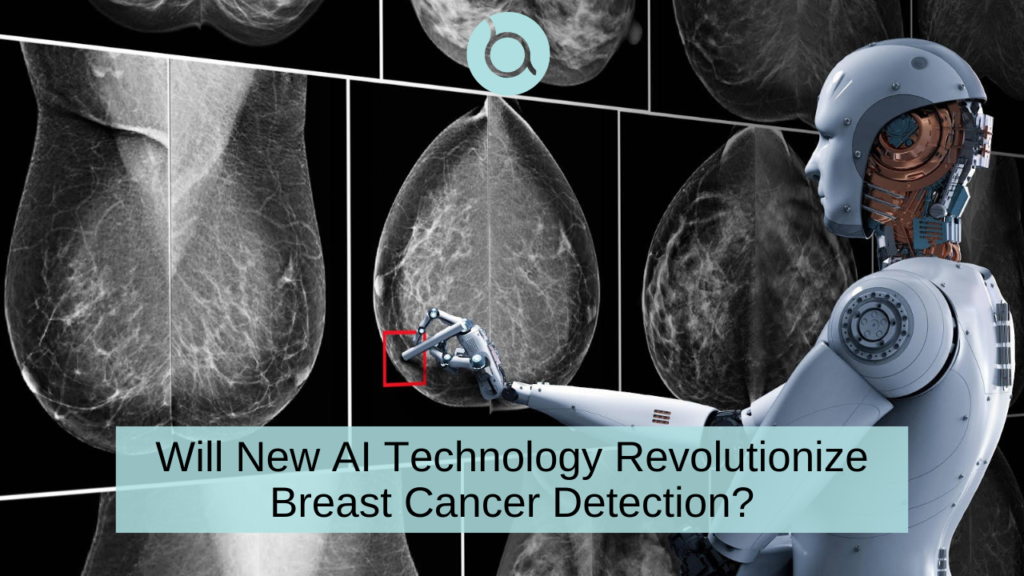
Early detection plays a crucial role in improving breast cancer survival rates and treatment outcomes. The integration of artificial intelligence (AI) into radiologic imaging, like mammograms and MRIs, is revolutionizing breast cancer diagnosis.
In a recent study, artificial intelligence (AI) outperformed the standard clinical model for predicting the five-year risk for developing breast cancer.
AI Study of Screening Mammograms
Lead investigator, Dr. Vignesh Arasu, used data from screening mammograms at Kaiser Permanente in Northern California in 2016 that showed no visible evidence of cancer. “We selected from the entire year of screening mammograms performed in 2016, so our study population is representative of communities in Northern California.”
Five different artificial intelligence (AI) algorithms were used to generate risk scores for developing breast cancer over the five-year period using the 2016 screening mammograms. The risk scores were then compared to the Breast Cancer Surveillance Consortium (BCSC) clinical risk score as well as to one another.
“All five AI algorithms performed better than the risk model for predicting breast cancer risk at 0 to 5 years,” Dr. Arasu said. “This strong predictive performance over the five-year period suggests AI is identifying both missed cancers and breast tissue features that help predict future cancer development. Something in mammograms allows us to track breast cancer risk. This is the ‘black box’ of AI.”
Advancements in AI for Breast Cancer Diagnosis
AI technology has made significant strides in recent years, bringing a paradigm shift in the field of breast cancer detection.
- Mammograms: AI-based systems can analyze mammographic images and assist radiologists in detecting early-stage abnormalities.
- Breast MRI: AI algorithms can analyze MRI images to identify suspicious areas, helping radiologists pinpoint potential cancerous lesions more accurately. By combining the power of AI with radiologic testing, medical professionals can achieve comprehensive and reliable breast cancer diagnosis.
Benefits of using AI
The integration of AI in breast cancer diagnosis offers numerous benefits:
- AI algorithms can assist in reducing false negatives and false positives, which are a persistent challenge in conventional mammography.
- AI can significantly enhance the efficiency and speed of breast cancer detection.
- AI can help bridge the expertise gap in breast cancer diagnosis.
Challenges and Ethical Considerations
While AI brings tremendous promise, it also raises important challenges and ethical considerations.
One critical challenge is the need for robust and diverse datasets to train AI algorithms effectively. Transparency and interpretability of AI algorithms are also crucial. Understanding the decision-making process of AI systems is vital for radiologists and patients to trust and validate the results.
We must also address issues surrounding patient privacy and data security. AI systems require access to extensive patient data, including medical records and imaging studies, which must be protected to safeguard patient confidentiality.
Striving for Better Patient Outcomes
AI algorithms can provide radiologists with powerful tools to improve accuracy, efficiency, and speed in diagnosing breast cancer lesions. By reducing false negatives and false positives, AI can also improve sensitivity and specificity, leading to better patient outcomes.
New Resource To Help Patients Understand Inflammatory Breast Cancer (IBC)

The National Comprehensive Cancer Network (NCCN) recently updated its patient guidelines for Inflammatory Breast Cancer. NCCN guidelines provide transparent, evidence-based, expert consensus recommendations for cancer treatment, prevention, and supportive services.
What is Inflammatory Breast Cancer (IBC)?
Inflammatory breast cancer (IBC) is a rare and aggressive form of breast cancer where cancer cells block lymphatic channels in the breast skin. This causes the breast to look red and swollen, and feel warm or hot to the touch, hence the term “inflammatory”. In the US, inflammatory breast cancer accounts for 1-6% of all breast cancer cases in the United States. The disease tends to be diagnosed earlier in life and more often in women with African ancestry.
“A diagnosis of inflammatory breast cancer can be terrifying for the patient as well as their family. Most people don’t know there are different types of breast cancer and need specific information that is designed for patients to help them understand that treatment will be somewhat different and why that’s important,” said Ginny Mason RN, BSN, Executive Director, Inflammatory Breast Cancer Research Foundation and IBC Patient.
Symptoms and Signs of Inflammatory Breast Cancer (IBC)
The symptoms of IBC can be striking but sometimes start out as a subtle difference from the normal appearance of the breast. However, IBC progresses quickly (over the course of days to a few weeks) and very early on can break away from the initial tumor site and invade local lymphatic and blood vessels. Early diagnosis is therefore particularly important with this type of breast cancer.
Symptoms of IBC include:
- A feeling of breast heaviness
- The breast being warmer than usual to the touch
- Persistent itching
- Breast tenderness or pain
- A feeling of milk being let down (not during breast-feeding). Liquid may leak out of the breast and then crust over.
If you experience any of these symptoms, please contact your physician straight away.
The appearance of the breast can be very different from other types of breast cancer:
- IBC causes a swollen breast (can become 2-3 times the normal size). This can be a rapid change.
- Red skin discoloration. Skin redness, or even a bruised (blue/purple) appearance is common with IBC (involving a third or more of the breast).
- Peau d’orange skin appearance (like an orange)
- Ridging
- Inverted or flattening of the nipple
- Skin thickening
- Swollen lymph nodes may also be present under the arm, near the collarbone, or in both places.
A palpable breast lump may or may not be found with IBC. IBC is frequently not felt and frequently missed on mammography, which is why patients should not ignore the other symptoms if a lump is not found. More sensitive imaging methods such as MRI can highlight IBC in women who have “clear” mammograms or who have highly dense breasts that show up as white on a mammogram.
New IBC Guidelines for Patients
The NCCN patient guidelines offer important information so people understand the latest treatments and their options. The new IBC guidelines for patients explain details of the typical course of treatment: systematic therapy (chemo) to shrink the tumor, surgery to remove the affected breast and axillary lymph nodes, and radiation therapy. In many cases, patients may unfortunately have advanced or even metastatic disease by the time of their diagnosis, often because the initial subtle symptoms and signs have been ignored.
“Having easy access to the NCCN patient guidelines empowers people to advocate for themselves when making tough decisions,” added Mason.
With prompt diagnosis and treatment, inflammatory breast cancer is a treatable condition, and the number of long-term survivors is steadily increasing. Learn more about IBC here.
CMS Hearing To Reconsider DIEP flap Breast Reconstruction S Code

Changes to a specialized insurance code (known as the “S-Code”) are limiting patient access to highly specialized, “natural” breast reconstruction procedures that use the patient’s own tissue instead of implants. Access to DIEP flap surgery, which is the gold standard muscle-preserving procedure, is being hit particularly hard.
Breast implants and are the most commonly used method of breast reconstruction in the US. However, implants can leak or rupture, have high re-operation rates, and can also be associated with Breast Implant Illness (BII), and malignancies such as Anaplastic large-cell lymphoma (ALCL). Ensuring patients have access to breast implant alternatives under insurance is therefore a priority.
WHAT IS THE “S-CODE”?
The DIEP flap and other advanced, modern microsurgical breast reconstruction procedures (like the GAP flap, stacked flaps) currently have unique billing codes in the US, known as “S-codes”. These specialized codes allow US plastic surgeons to bill insurance plans for these more complex procedures that require additional training and expertise.
CMS CODING CHANGES
In 2019, CMS combined all microsurgical breast reconstruction procedures together under one code (CPT 19364). In January 2021, following a request from a major insurance company, CMS made the further decision to eliminate the S-codes. These codes will sunset on December 31, 2024. After that date, surgeons performing DIEP flap surgery will only be able to bill insurance plans using the same code as the older, less sophisticated free TRAM flap.
Despite the S-codes still being in effect until December 31, 2024, a handful of insurance plans have already declared their intent to stop covering DIEP flap surgery under the S-code. Some have temporarily back-tracked due to patient backlash, but insurance companies will likely continue down this path once the codes sunset. As a result, it is possible that only the most wealthy of American patients will have access to these modern surgeries after December 2024.
A MASSIVE WIN FOR PATIENT ADVOCACY
Thankfully, following immense public pressure and feedback, CMS recently announced they are holding a hearing on June 1, 2023 to reconsider these breast reconstruction coding changes. You can see the full CMS meeting agenda for the June 1, 2023 hearing here.
CMS wants to hear about the obstacles patients are facing in getting access to DIEP flap surgery. Please sign up to attend the hearing and share your comments – use this link to register (enter agenda item #1).
You can also email your thoughts and any experiences you’re comfortable in sharing ahead of the meeting to HCPCS@cms.hhs.gov. Please speak from the heart and explain why you feel it is crucial to preserve full patient access through insurance, and the right to choose any reconstructive option after a mastectomy, including advanced muscle-preserving procedures like the DIEP flap. Please feel free to personalize and edit this letter, or borrow snippets as you see fit.
Every voice helps. Please take this opportunity to have your voice heard!
New Mammogram Recommendations: What You Need to Know

The U.S. Preventive Services Task Force, an expert panel that develops recommendations for preventive care, has suggested that all women begin routine breast cancer screening mammograms at age 40, rather than the previous recommendation of age 50. Although some other medical organizations support annual mammograms, the panel continues to advise spacing the screenings at two-year intervals.
Will this impact you?
All “cisgender women and other people assigned female at birth” who have an average risk for breast cancer and do not exhibit any troubling symptoms that might indicate breast cancer should follow these guidelines.
However, this doesn’t apply to a women who has already had breast cancer, has a genetic mutation that increases breast cancer risk, has received high-dose radiation to the chest, or has had breast lesions found in previous biopsies.
Why did the task force change its screening mammogram recommendations?
The panel’s updated recommendations were based on more recent and inclusive scientific research on breast cancer in women under 50. The panel commissioned a review of screening techniques and modeling studies to reach its conclusions even though no new clinical trial data were available and only one older trial included a significant proportion of black women. High death rates among black women were also considered by the experts: the mortality rate for black women with breast cancer in their 40s is double that of white women.
Why aren’t yearly screening mammograms recommended?
The panel’s research found no advantage to annual screening mammograms over biennial scans. According to the panel, annual mammograms are no more effective at finding stage 2 cancer and other dangerous tumors, and biennial screenings (a mammogram every other year) are thought to offer a better benefit-to-harm ratio.
Does insurance cover screening mammograms?
The law requires insurance companies to fully cover mammograms for women ages 40 to 74 who have an average risk of developing breast cancer.
For more news about breast cancer screening, click here.
Ultra-Processed Foods and Breast Cancer: Is There a Link?

As much as 40% of cancers are estimated to be linked to lifestyle risk factors such as smoking, alcohol use, physical inactivity and diet. Several studies suggest a link between ultra-processed foods (UPFs) and an increased risk of breast cancer. A recent study published in the journal Clinical Nutrition supports a clinically relevant association between UPFs and an increased risk in several different cancers including: breast, colorectal, prostate, pancreatic, chronic lymphocytic leukemia and central nervous system tumors.
What are ultra-processed foods?
Ultra-processed foods are foods that have undergone extensive processing and contain a high amount of added sugars, fats, and other additives. Examples of ultra-processed foods include soda, energy/sport drinks, fast food, processed meats like deli meets and hot dogs, frozen dinners, chips, crackers, and sugary cereals. These foods are often high in calories and low in nutrients, making them a poor choice for a healthy diet.
Ultra-processed foods and breast cancer
Several studies suggest that consuming a diet of highly processed foods may increase the risk of developing breast cancer. Women who consume a diet high in ultra-processed foods have a higher risk of developing breast cancer than those who follow a diet rich in fruits, vegetables, and whole grains. The reason for this increased risk is thought to be due to the high levels of additives and preservatives found in ultra-processed foods. These additives have been linked to inflammation, oxidative stress, and other factors that can contribute to the development of cancer.
Nutritional tips for a healthier diet
To reduce the risk of developing cancer as much as possible, it is essential to consume a diet rich in whole foods and low in ultra-processed foods. Here are some tips to help you eat more healthily:
- Focus on whole foods: Fill your plate with fruits, vegetables, whole grains, and lean proteins.
- Read labels: When shopping for packaged foods, be sure to read the labels carefully. Look for products that are low in added sugars, saturated fats, and other unhealthy additives.
- Cook at home as much as you can: Preparing meals at home allows you to make sure the ingredients are healthy. Experiment with new recipes and try to incorporate more whole foods into your diet.
- Limit processed foods: While it may be difficult to eliminate processed foods entirely, try to limit your intake as much as possible. Choose healthier snacks like fruits, nuts, and seeds, and choose whole-grain options when buying bread, pasta, and other grains.
While the link between ultra-processed foods and breast cancer is still being studied, it is essential for you and your family to eat a healthy diet rich in whole foods to reduce the risk of developing cancer.
Hormonal Birth Control May Increase Your Risk of Breast Cancer
For decades, researchers have looked at how hormonal birth control affects the risk of developing breast cancer. Studies show that using birth control that contains estrogen and progesterone increases your risk of developing breast cancer.
The use of the different types of hormonal contraceptives has changed over the last 10 years. More women are now using progesterone-only preparations, both as oral (eg “mini pill”) and as long-acting formulations such as injectables, implants, and progesterone-releasing coils, or intrauterine devices (IUDs).
New research shows the risk of developing breast cancer is increased further by using progestogen-only contraceptives. A recent study published in PLOS Medicine looked at almost 30,000 women who received a diagnosis of invasive breast cancer between 1996 and 2017. Study participants were compared to evaluate if women who took progesterone-only contraception had a higher risk of developing the disease. The study found that women who used progesterone-only contraception had a slightly increased chance of developing breast cancer. This risk was 20-30% higher than women who took combined (estrogen and progesterone) hormonal contraception.
Should You Use the Birth Control Pill or Other Types of Hormonal Contraception?
The actual risk of getting breast cancer when you are young is very small. When you are 20, your risk of getting breast cancer is less than 1 in 1000. When you are 40, your risk increases to 1 in 65 women. The risk increases further with increasing age. This is because as we get older, cells in our body are more likely to mutate as they divide. This Higher rate of “faulty” cell division is a normal consequence of aging. A woman’s overall lifetime risk for developing breast cancer is about 1 in 8. Women and men who are born with certain types of gene mutations (eg in the BRCA gene) are at increased risk of developing breast cancer (and other cancers) compared to people who do not carry those gene mutations.
Should You Stop Using Hormonal Contraception Because of the Risk of Breast Cancer?
So, should you stop using your progesterone-only pill, implant, or IUD? This is an important study but it sounds scary and we need to put it in perspective. A 20-30% increase in relative risk may sound like about 1 in 4 women who use this type of contraception will ultimately get breast cancer. That is NOT what these results actually mean.
In reality, the relative increase in breast cancer risk means that if you use progesterone-only contraception for 5 years, the risk of getting breast cancer increases from about 8 in 100,000 between the ages of 16 and 20 years, to about 265 in 100,000 between the ages of 35 to 39 years.
While the results of this study are important to know, they must be viewed in the context of the well-established benefits of contraceptive use during a woman’s reproductive years. Women shouldn’t make a decision about whether to use hormonal contraception or what type specifically, based on this study alone.
Please consult with your doctor to further discuss the pros and cons of the different types of hormonal contraception available, and to help you make the best decision for you.
Breast Cancer Recurrence: New Breakthrough Could Decrease the Risk of Breast Cancer Returning
Scientists at The Institute of Cancer Research (ICR) in London have discovered why breast cancer cells that have spread to the lungs may ‘wake up’ many years after spreading, and forming secondary tumors, known as breast cancer recurrence.
The study, published in the journal Nature Cancer and funded by Breast Cancer Now, reveals the mechanism that sets off this breast cancer “time bomb” that leads to breast cancer recurrence, and proposes a potential method to defuse it.
The most common type (about 80%) of breast cancer is fueled by the hormone estrogen, known estrogen receptor positive (ER+) disease. Patients with ER+ disease have a significant risk of their cancer returning in another part of their body up to 30 years after their original diagnosis and treatment. Secondary, or metastatic breast cancer, refers to the spread of breast cancer cells from the breast to other parts of the body including the lungs, bones and liver. This is known as stage 4 disease. Although this can be treated and slowed down, it cannot be cured. This is because metastatic cancer cells eventually become resistant to the currently available hormone therapies and chemotherapies.
This new study performed in mice demonstrates how molecular changes in the lung that occur during normal aging may support the growth of these secondary tumors.
Cancer Cells “Reawaken” in Response to a Normal Protein
The Platelet Derived Growth Factor (PDGF) family of normal protein molecules helps damaged tissues heal and grow. The study found that a form of PDGF-C, a form of PDGF which is normally present in the lung, plays a key role in influencing whether rogue, inactive breast cancer cells stay asleep or ‘wake up.’
The study found that in young mice, dormant ER+ breast cancer cells in the lungs only produce a small amount of PDGF-C. This is enough for these cells to stay alive, but not enough to grow and spread. Older mice have more PDGF-C in their lung tissue which awakens the cancer cells and helps them grow. Furthermore, these awakened, stimulated cells produce more PDGF-C themselves which further increases growth.
Blocking PDGF-C Slows the Growth of ER+ Breast Cancer Cells
Dr. Frances Turrell, postdoctoral training fellow in the Division of Breast Cancer Research at ICR said: “Cancer cells can survive in distant organs for decades by hiding in a dormant state. We’ve discovered how aging lung tissue can trigger these cancer cells to ‘reawaken’ and develop into tumors and uncovered a potential strategy to ‘defuse’ these ‘time bombs’.
Drugs that block PDGF-C could potentially prevent these dormant ER+ cells from waking up and growing. These drugs could potentially even prevent metastasis from happening in the first place. One such drug that prevents cells from recognizing PDGF-C is Imatinib. Imatinib is a drug currently used to treat certain types of blood cancer like chronic myeloid leukemia. In this study, mice were treated with Imatinib before and after the lung mets had grown. In both groups, there was less cancer growth in the lungs.
These results suggest that Imatinib could one day be used to prevent breast cancer recurrence by slowing down or even stopping the growth of lung mets in women and men with ER+ disease. It could also potentially be used as a preventative treatment in patients with early-stage breast cancer and a high risk of recurrence.
While the results of this study are very exciting, unfortunately, we are still several years away from this treatment becoming clinically available. This study has so far only been performed in mice and more studies are needed to ensure the same results can be safely duplicated in humans.