Hormonal Birth Control May Increase Your Risk of Breast Cancer
For decades, researchers have looked at how hormonal birth control affects the risk of developing breast cancer. Studies show that using birth control that contains estrogen and progesterone increases your risk of developing breast cancer.
The use of the different types of hormonal contraceptives has changed over the last 10 years. More women are now using progesterone-only preparations, both as oral (eg “mini pill”) and as long-acting formulations such as injectables, implants, and progesterone-releasing coils, or intrauterine devices (IUDs).
New research shows the risk of developing breast cancer is increased further by using progestogen-only contraceptives. A recent study published in PLOS Medicine looked at almost 30,000 women who received a diagnosis of invasive breast cancer between 1996 and 2017. Study participants were compared to evaluate if women who took progesterone-only contraception had a higher risk of developing the disease. The study found that women who used progesterone-only contraception had a slightly increased chance of developing breast cancer. This risk was 20-30% higher than women who took combined (estrogen and progesterone) hormonal contraception.
Should You Use the Birth Control Pill or Other Types of Hormonal Contraception?
The actual risk of getting breast cancer when you are young is very small. When you are 20, your risk of getting breast cancer is less than 1 in 1000. When you are 40, your risk increases to 1 in 65 women. The risk increases further with increasing age. This is because as we get older, cells in our body are more likely to mutate as they divide. This Higher rate of “faulty” cell division is a normal consequence of aging. A woman’s overall lifetime risk for developing breast cancer is about 1 in 8. Women and men who are born with certain types of gene mutations (eg in the BRCA gene) are at increased risk of developing breast cancer (and other cancers) compared to people who do not carry those gene mutations.
Should You Stop Using Hormonal Contraception Because of the Risk of Breast Cancer?
So, should you stop using your progesterone-only pill, implant, or IUD? This is an important study but it sounds scary and we need to put it in perspective. A 20-30% increase in relative risk may sound like about 1 in 4 women who use this type of contraception will ultimately get breast cancer. That is NOT what these results actually mean.
In reality, the relative increase in breast cancer risk means that if you use progesterone-only contraception for 5 years, the risk of getting breast cancer increases from about 8 in 100,000 between the ages of 16 and 20 years, to about 265 in 100,000 between the ages of 35 to 39 years.
While the results of this study are important to know, they must be viewed in the context of the well-established benefits of contraceptive use during a woman’s reproductive years. Women shouldn’t make a decision about whether to use hormonal contraception or what type specifically, based on this study alone.
Please consult with your doctor to further discuss the pros and cons of the different types of hormonal contraception available, and to help you make the best decision for you.
Breast Cancer Recurrence: New Breakthrough Could Decrease the Risk of Breast Cancer Returning
Scientists at The Institute of Cancer Research (ICR) in London have discovered why breast cancer cells that have spread to the lungs may ‘wake up’ many years after spreading, and forming secondary tumors, known as breast cancer recurrence.
The study, published in the journal Nature Cancer and funded by Breast Cancer Now, reveals the mechanism that sets off this breast cancer “time bomb” that leads to breast cancer recurrence, and proposes a potential method to defuse it.
The most common type (about 80%) of breast cancer is fueled by the hormone estrogen, known estrogen receptor positive (ER+) disease. Patients with ER+ disease have a significant risk of their cancer returning in another part of their body up to 30 years after their original diagnosis and treatment. Secondary, or metastatic breast cancer, refers to the spread of breast cancer cells from the breast to other parts of the body including the lungs, bones and liver. This is known as stage 4 disease. Although this can be treated and slowed down, it cannot be cured. This is because metastatic cancer cells eventually become resistant to the currently available hormone therapies and chemotherapies.
This new study performed in mice demonstrates how molecular changes in the lung that occur during normal aging may support the growth of these secondary tumors.
Cancer Cells “Reawaken” in Response to a Normal Protein
The Platelet Derived Growth Factor (PDGF) family of normal protein molecules helps damaged tissues heal and grow. The study found that a form of PDGF-C, a form of PDGF which is normally present in the lung, plays a key role in influencing whether rogue, inactive breast cancer cells stay asleep or ‘wake up.’
The study found that in young mice, dormant ER+ breast cancer cells in the lungs only produce a small amount of PDGF-C. This is enough for these cells to stay alive, but not enough to grow and spread. Older mice have more PDGF-C in their lung tissue which awakens the cancer cells and helps them grow. Furthermore, these awakened, stimulated cells produce more PDGF-C themselves which further increases growth.
Blocking PDGF-C Slows the Growth of ER+ Breast Cancer Cells
Dr. Frances Turrell, postdoctoral training fellow in the Division of Breast Cancer Research at ICR said: “Cancer cells can survive in distant organs for decades by hiding in a dormant state. We’ve discovered how aging lung tissue can trigger these cancer cells to ‘reawaken’ and develop into tumors and uncovered a potential strategy to ‘defuse’ these ‘time bombs’.
Drugs that block PDGF-C could potentially prevent these dormant ER+ cells from waking up and growing. These drugs could potentially even prevent metastasis from happening in the first place. One such drug that prevents cells from recognizing PDGF-C is Imatinib. Imatinib is a drug currently used to treat certain types of blood cancer like chronic myeloid leukemia. In this study, mice were treated with Imatinib before and after the lung mets had grown. In both groups, there was less cancer growth in the lungs.
These results suggest that Imatinib could one day be used to prevent breast cancer recurrence by slowing down or even stopping the growth of lung mets in women and men with ER+ disease. It could also potentially be used as a preventative treatment in patients with early-stage breast cancer and a high risk of recurrence.
While the results of this study are very exciting, unfortunately, we are still several years away from this treatment becoming clinically available. This study has so far only been performed in mice and more studies are needed to ensure the same results can be safely duplicated in humans.
Breast Cancer Vaccine Targeting Triple-Negative disease (TNBC) Moves Closer to Becoming a Reality
Researchers at Cleveland Clinic have launched the next phase of their evaluation of a novel breast cancer vaccine that prevents triple-negative breast cancer (TNBC). Triple-negative breast cancer is the most aggressive form of the disease, accounting for roughly 10-15% of all breast cancers.
The new phase 1b study will enroll cancer-free women at high risk of developing breast cancer
who have volunteered to undergo a prophylactic mastectomy to lower their risk.
Triple-Negative Breast Cancer
Of all the different forms of breast cancer, triple-negative disease has the fewest treatment options. Triple-negative tumors do not have estrogen or progesterone receptors (ER or PR) and don’t make any or much of the protein called HER2. For these reasons, hormone therapy and anti-HER2 drugs are not options for women with TNBC, leaving chemotherapy as the mainstay of treatment. African American patients under the age of 40 who have BRCA1 mutation are more likely to develop these cancers.
TNBC differs from other forms of invasive breast cancer in that it has fewer treatment options and tends to have a worse prognosis.
Signs and Symptoms of Triple-Negative Breast Cancer
The signs and symptoms of TNBC are similar to other types of breast cancer. According to the American Cancer Society, the most common symptoms are:
- New lump or mass
- Swelling of all or part of a breast
- Breast or nipple pain
- Nipple retraction
- Nipple or breast skin that is red, dry, flaking, or thickened
- Nipple discharge
- Swollen lymph nodes under the arm or near the collarbone
How Does the Breast Cancer Vaccine Work?
The breast cancer vaccine is developed to treat a-lactalbumin. The study shows that this lactation protein is produced when a woman is lactating or preparing for lactation. However, a healthy body stops producing the protein as lactation ends and a patient ages.
As the tumor grows, patients with triple-negative breast cancer tend to keep producing this protein. About 70% of patients with this type of breast cancer have this biomarker. In the presence of a-lactalbumin, the vaccine stimulates the immune system, causing the body to attack the tumor and prevent further spread.
What’s To Come
The study is closely related to a current phase 1a study that began in 2021 and includes women who have received an earlier treatment for triple-negative breast cancer. Researchers estimate to have both phase 1a and 1b studies completed by the end of 2023.
If you are facing surgery for breast cancer or considering surgery to decrease your risk, learn about all your surgical options by downloading the FREE Breast Advocate App today.
4 Tips For Managing Financial Stress During Breast Cancer

Common side effects of cancer treatment include nausea, hair loss, pain, and fatigue. However, the potential impact of the financial costs of care on the patient and their family—also referred to as financial toxicity—is a greatly under-appreciated, hidden “side-effect” that sets-in at the worst possible time. According to a recent study, nearly 80% of women experience financial stress during breast cancer treatment.
Fortunately, there are many resources dedicated to making cancer treatment more affordable. Here are some helpful tips for coping and managing financial stress during and after a cancer diagnosis:
1. Don’t be afraid to ask for help.
Say “yes” if friends or family offer to help. They can help you with paperwork, analyzing and paying bills, checking out your insurance, and gathering information about payment plans. If possible, bring someone who is helping you with your financial responsibilities, and have them ask lots of questions. Also, remember, family and friends often want to help, but often don’t know exactly how. Consider delegating anything you feel comfortable delegating, even in part, to take some of the weight off your shoulders.
2. Contact organizations for help with cancer-related costs.
There are many organizations that can help with expenses related to medical treatment, food, dental care, everyday living, legal resources, and more. Reach out to your HR department at work, or a hospital financial adviser for insight on how to get the most out of your insurance, including help with deductibles and co-pays.
3. Reach out to non-profit organizations.
Many national and local breast cancer organizations provide financial assistance to patients (and their families) to help decrease financial stress during breast cancer treatment. Ask your health care team if they have any recommendations. Other patients you meet can also be a very valuable resource for information on organizations they have found helpful themselves.
4. Tell your doctor immediately if you are concerned about the financial costs.
It’s important to be aware of upfront and out-of-pocket costs when discussing treatment options with your medical team. Your team may be a able to tailor your treatment in a more cost-effective way without negatively impacting your care. Knowing more about the costs that lie ahead is also very important so you can plan and budget accordingly.
Helpful Resources During and After Breast Cancer Treatment
There are many reputable organizations that can help you and your family after a breast cancer diagnosis. To access them, download the Breast Advocate App free here. Click on “Knowledge Center” and then “Resources”. There you will find links to organizations that can provide assistance in many ways, including financial:
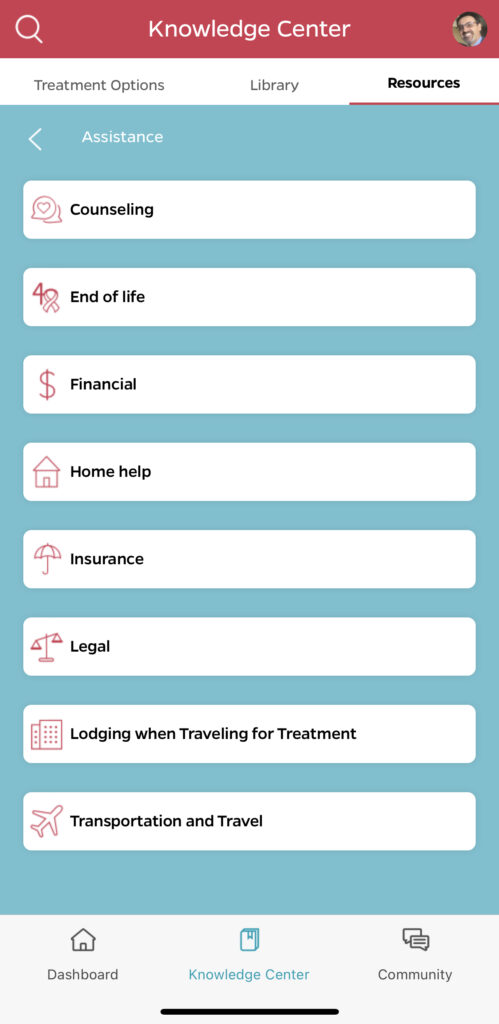
Please also let us know of any organizations that you have found helpful. We are constantly adding reputable resources and would love to hear your recommendations!
Patient Access To DIEP Flap Breast Reconstruction In Jeopardy

Patient access to DIEP flap surgery and other modern breast reconstruction procedures is under threat in the US because of changes in insurance coding by the Centers for Medicare & Medicaid Services (CMS).
Breast Reconstruction Options
Women diagnosed with breast cancer, or a genetic mutation that predisposes them to the disease, will need to consider mastectomy as one of their countless treatment decisions. Several options are available for those who choose to have breast reconstruction. These include (i) autologous “flap” reconstruction (using the patient’s own tissue), or (ii) implant-based reconstruction (insertion of a breast implant).
Microsurgical (or “free flap”) reconstruction refers to tissue transplanted from another part of the patient’s own body. The skin and fat below the belly button feels very similar to breast tissue. It is therefore the preferred option to replace the tissue removed by a mastectomy.
The traditional technique that uses the lower abdominal tissue is known as the TRAM (transverse rectus abdominis myocutaneous) flap. This sacrifices the patient’s abdominal muscle as part of the procedure. Since it removes all or part of a woman’s core abdominal (rectus abdominis) muscles, TRAM flap surgery can be associated with long hospitalizations, prolonged recovery, decreased abdominal strength, and a higher risk of abdominal complications such as hernia formation.
As breast reconstruction techniques have evolved, the DIEP (deep inferior epigastric perforator) flap revolutionized reconstruction by providing a natural, warm, soft breast without permanently damaging the abdominal muscles. Since the DIEP flap preserves abdominal muscle, it is associated with shorter hospital stays, faster recovery, and a lower risk of complications compared to the TRAM flap. For these reasons, the DIEP flap is considered today’s gold standard in breast reconstruction.
Coding Changes – What Happened?
The DIEP flap and other advanced, modern microsurgical breast reconstruction procedures (like the GAP flap, stacked flaps) currently have unique billing codes in the US, known as “S-codes”. These specialized billing codes allow US plastic surgeons to bill insurance plans for these more complex procedures that require additional training and expertise.
In 2019, CMS combined all microsurgical breast reconstruction procedures together under one code (CPT 19364). In January 2021, CMS made the further decision to eliminate the S-codes. Sunsetting of these codes is scheduled for December 31, 2024. After that date, surgeons performing a DIEP flap reconstruction will only be able to bill insurance plans using the same code as the older, less spohisticated free TRAM flap technique.
Despite the S-codes still being in effect until December 31, 2024, some insurance plans are already declaring their intent to stop covering DIEP flap surgery under the S-code. Between now and next year, multiple commercial health insurers will likely follow suit. As a result, fewer patients will have access to DIEP flap surgery and other advanced microsurgical breast reconstruction options through insurance. In fact, this situation is already playing out. Very soon, it is possible that only the most wealthy of American patients will have access to these modern surgeries. If we don’t act now, this situation will become the new status quo in the US.
What This Means for Patient Access
According to Breast Advocate founder and PRMA Plastic Surgery President, Dr. Chrysopoulo, “CMS coding changes alone do not make surgeries defunct. What we have here is a patient access issue.”
The Women’s Health Cancer Rights Act (WHCRA) of 1998, states that insurance coverage must be provided for your breast reconstruction, symmetry procedures of the remaining breast, and treatment of complications like lymphedema, if you are receiving benefits in connection with a mastectomy and choose to have breast reconstruction.
Unfortunately, the current language in the WHCRA is dated and does not go far enough in protecting patient access to modern reconstruction techniques like the DIEP flap.
What Breast Advocate founder, Dr. Chrysopoulo, Has To Say
“Ultimately, what good are breast reconstruction rights if patients don’t have access to modern surgical techniques?”, says Dr. Chrysopoulo. “Now is the time for patients and surgeons to come together and push for WHCRA to be updated. This is the only way to ensure patients continue to have access to all their post-mastectomy reconstructive options long-term, regardless of what happens on the coding front, which is extremely political.”
How Can You Help?
We strongly urge patients to use their voices! Please contact your state’s Senator or Representative immediately: request this coding issue is remedied, and WHCRA is updated to ensure insurance companies provide full patient access to all modern breast reconstruction options, regardless of the billing codes used now and in the future.
For your Senator’s and Representative’s details please click here.
For a sample letter click here.
5 Myths About Breast Cancer, Debunked

There are so many breast cancer myths circulating online: who gets it, why do they get it, or what treatment looks like…? Although breast cancer is one of the more well-known and frequently discussed cancers, there are still many misconceptions.
MYTH 1: “Breast cancer doesn’t run in my family, so I’m not at risk.”
Only 5-10% of breast cancers are thought to be hereditary, meaning they result directly from abnormal changes in certain genes passed from parent to child. Most people who develop breast cancer do not have a family history, indicating that other factors must be at work. However, it’s important to take the risk very seriously if you have a strong family history of breast cancer on either your mother’s or father’s side.
MYTH 2: “Wearing a bra causes breast cancer.”
It has been claimed that wearing an underwire-style bra could restrict the flow of lymphatic fluid out of the breast, causing toxic chemicals and other substances to build up in the breast tissue. These, in turn allegedly encourage breast cancer to develop. However, there is absolutely no evidence to back up this theory.
MYTH 3: “Men can’t get breast cancer.”
While they make up only about 1% of all cases, men can certainly develop breast cancer too. Typically, this is because of a hereditary genetic mutation in the BRCA gene, which is the most common cause of hereditary breast cancer.
MYTH 4: “Using underarm deodorant causes breast cancer.”
There are many internet claims that underarm deodorants, particularly those made with aluminum and other chemicals, are absorbed into the lymph nodes, and make their way into breast cells, increasing cancer risk. It was believed that shaving the underarms increase the risk by creating tiny nicks allowing more of the chemicals in deodorants to enter the body. According to another theory, antiperspirants prevent underarm sweating, causing the release of toxic substances from the lymph nodes into the body, therefore increasing breast cancer risk. Again, there is absolutely no reputable scientific evidence for this.
MYTH 5: “A lump in my breast means I have cancer.”
Even though most breast lumps aren’t cancerous, it’s important to have any lumps, changes, or abnormalities checked out by a doctor. Self-exams and routine mammograms are part of being proactive and aware when it comes to breast health awareness and prevention. Mammograms don’t prevent breast cancer, but they do save lives by detecting breast cancers early when it’s most easily treatable.
How to Reduce your Risk of Breast Cancer?
Although it can be very frightening to learn that 1 in 8 women are diagnosed with
breast cancer, there are steps you can take to lower your risk:
● Limit alcohol intake.
● Maintain a healthy weight.
● Get enough exercise.
● Quit smoking.
● Limit postmenopausal therapy
Know All Your Options
If you are a woman or man who has been diagnosed with breast cancer, or you are
considering surgery to decrease your risk of breast cancer – Breast Advocate® is for you. Breast
Advocate® is a free app that provides ALL your surgical options along with evidence-based
recommendations, personalized for you.
Download the latest version of the Breast Advocate® app here.
Vitamin D and Breast Cancer: Is There a Link? 

There has been some discussion about the connection between vitamin D levels and breast cancer. Recent studies show low vitamin D levels may increase the chance of cancer recurrence and sufficient vitamin D supplementation is cancer preventative. Vitamin D has additional benefits for those attempting to reduce their chance of developing breast cancer and those undergoing treatment.
What is Vitamin D?
Vitamin D is also known as calciferol or the “sunshine vitamin.” It is a fat-soluble vitamin that supports the growth of bones and teeth. Sunlight exposure helps the human body naturally produce vitamin D. The body starts producing vitamin D when ultraviolet (UV) rays from the sun are in contact with the skin. The vitamin can be consumed as a supplement and is also found in some foods.
How to Get Enough Vitamin D in the Winter
- Go outside – even if it’s cold: It’s important to get at least 5 to 15 minutes of sunlight per day – up to 30 minutes if you are darker complected.
- Include vitamin D-rich foods in your diet: Vitamin D is a fat-soluble vitamin that helps the body absorb and retain calcium and phosphorus.
- Take a vitamin D supplement: The recommended daily amount of vitamin D is 400 international units (IU) for children up to age 12 months, 600 IU for people ages 1 to 70 years, and 800 IU for people over 70 years.
- Pay attention to calcium: One of vitamin D’s major roles is to help you absorb calcium. Your body needs calcium to build strong bones when you’re young and keep bones strong as you age. Calcium is necessary for everyone, but it’s especially important for women.
- Talk to your doctor about your medications: Sometimes low sunlight isn’t the only problem. Certain medications can hurt your vitamin D levels.
Foods High in Vitamin D
The following list of foods includes vitamin D:
- Fatty fish (trout, salmon, tuna, mackerel, sardines)
- Fish liver oils
- Beef liver
- Egg Yolks
- Mushrooms
- Shrimp
Vitamin D is frequently added to the following foods:
- Milk or milk substitutes
- Cheese and juice
- Yogurt
Breast Cancer Recurrence
The correlation between vitamin D levels and breast cancer is a subject of debate among scientists. One explanation is that there are multiple research variables, including different cutoff values used in studies to gauge vitamin D deficiency.
Many studies have revealed that a significant portion of those who are given breast cancer diagnoses have poor vitamin D levels. People with low vitamin D levels may be more prone to cancer development and recurrence (metastasis).
According to one study, 34% of the control group had vitamin D levels above 20 ng/ml at the time of diagnosis, while 45% of those with breast cancer did not. According to research, vitamin D contains anticarcinogenic characteristics, which may help prevent the growth of cancer cells.
Overall, Health and Wellness
Vitamin D deficiency can be harmful to your overall health. Your body needs vitamin D to support cardiovascular (heart), reproductive, immune, nervous, and skeletal muscle function.
Some specific roles of vitamin D in the body include:
- Bone growth and repair
- Supporting muscle movement allows the brain to receive signals from nerves
- Decreasing inflammation
- Building immunity
- Promoting cell division and growth
- Supporting glucose metabolism
More Information
To learn more about vitamin D and breast cancer, visit the U.S. National Cancer Institute.
2022 San Antonio Breast Cancer Symposium Highlights

Now in its 45th year, the 2022 San Antonio Breast Cancer Symposium (SABCS) was held in person in San Antonio, Texas. SABCS is an annual event sponsored by the American Association for Cancer Research and UT Health San Antonio’s Mays Cancer Center. The meeting hosted about 10,000 clinicians and scientists from all over the world.
The meeting included research and information on the experimental biology, etiology, prevention, diagnosis, and treatment of breast cancer and premalignant breast disease.
In case you missed it, you can check out the many studies presented here. We have also included an overview of some of our top highlights below:
Investigating Disparities in Breast Cancer
This trial showed recurrence scores were similar among the racial subgroups; there was no difference in tumor size or the number of positive lymph nodes. However, tumor grade was significantly different among the groups.
In comparison, black and Hispanic women have more grade 3 tumors than white or Asian women. The five-year invasive disease-free survival rate was lower for black women. Despite similar recurrence score results, black women with this type of breast cancer have worse outcomes than white women. Novel methods to enhance clinical outcomes are still urgently needed, particularly for black women.
Who Goes to the ER During Treatment?
Researchers set out to determine if insurance status might be a proxy for structural barriers to outpatient quality of care, given that many unplanned ER visits and hospitalizations are preventable. In order to link the trial data to the participants’ insurance claims, they combine breast cancer patients 65 and older who had taken part in SWOG clinical trials between 2001 and 2019 (either Medicare, Medicare plus commercial, or Medicare plus Medicaid).
They discovered patients with Medicare and Medicaid were more likely to visit the ER within a year of enrolling in a clinical trial.
“Despite participation in a breast cancer clinical trial, patients with Medicare plus Medicaid had a two-fold increased risk of unplanned ER visits despite controlling for clinical, demographic, and prognostic factors,” the team wrote in their analysis.
Identifying Gaps in Metastatic Cancer Care
Breast oncologist, Poorni Manohar, MD, analyzed the insurance policies and electronic health records of 1101 patients with metastatic breast cancer, 386 of whom were diagnosed with de novo disease, meaning their cancer had already spread by the time the initial diagnosis was made. A total of 715 patients had recurrent disease. The researchers then determined who among those 715 patients had — or hadn’t — received the recommended biopsies and biomarker tests.
Half of the patients who needed biopsies to determine the molecular makeup of their new to determine the best course of treatment did not receive them.
“If we can increase access to resources, improve institutional experience with biopsy of challenging sites, and offer alternatives to biopsy, we could greatly enhance the quality of care for patients,” she said.
Women Can Safely Interrupt Endocrine Tx to Pursue Pregnancy
Over 500 women for whom endocrine therapy had been stopped in the hopes of getting pregnant participated in the study. Almost all (93.4%) had stage I/II HR-positive breast cancer. The goal was to determine the risk of breast cancer relapse associated with interrupting therapy for 2 years. The study found no more than 46 breast cancer–free interval (BCFI) events as the safety threshold. A BCFI event was defined as local, regional, or distant recurrence or a new invasive contralateral breast cancer.
For young women who want to become pregnant after receiving a diagnosis and completing treatment for HR-positive breast cancer, this trial is more confirmatory but still a crucial step. It appears that the women in the study did not experience any negative effects or an increased risk of cancer recurrence as a result of stopping endocrine therapy to become pregnant.
You can view more highlights from the SABCS here.
Coping with the Stress of Cancer During the Holidays
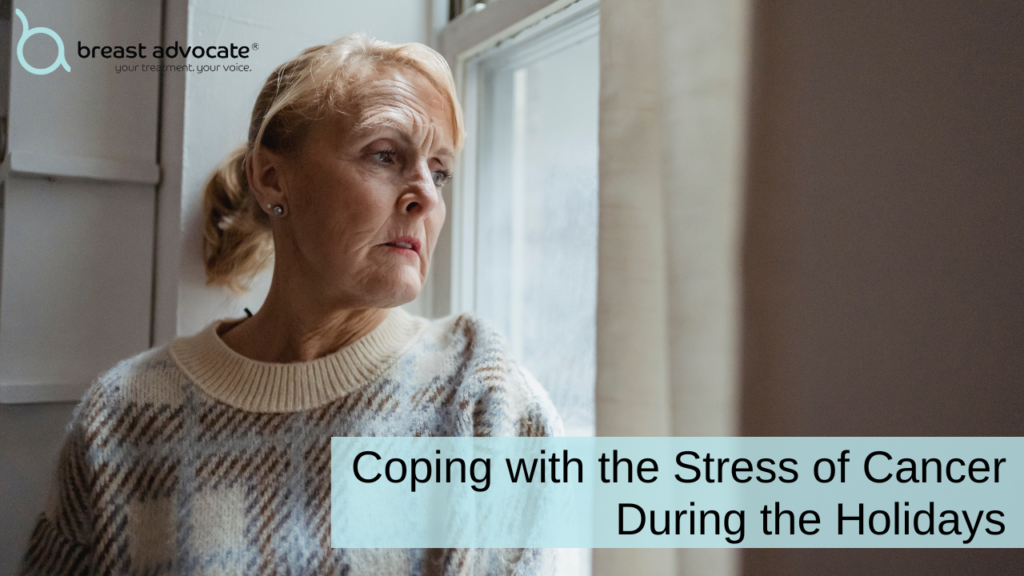
Holidays are traditionally viewed as a time to celebrate. During this season, many people enjoy spending time with family and friends, exchanging gifts, and celebrating traditions.
However, according to experts, it is common for breast cancer patients and their loved ones to have trouble coping with the stress of cancer during the holidays and feel “out of touch” with the rest of the world during this time.
Tips to Help Cope with Cancer During the Holidays
1. Prioritize yourself: Accept where you are and take the pressure off yourself. If you are feeling tired and less social, know those feelings are normal. “Our stress hormones are in high gear when we’re going through cancer treatment,” shares Patricia Ganz, M.D., Director of Cancer Prevention and Control Research.
When faced with stressful situations, people often have high expectations for themselves and others. Let go of any expectations and allow yourself to be where you are emotionally and physically.
2. Adjust your traditions: Decide which holiday traditions are most important to you and adjust them to fit your needs. If you love hosting holiday parties, consider getting food delivered from a nearby restaurant and asking for help with cleaning and decorating. Set a holiday budget and shop online. These small changes will help you enjoy the Christmas season without becoming stressed.
3. Enjoy every moment: Focus on making new traditions with your loved ones instead of focusing on how cancer has changed a holiday or special occasion. If you can’t make it to every event, use FaceTime or Zoom to stay in touch with your friends and family.
4. Surround yourself with support: Communicate what you need physically and emotionally and don’t close yourself off from relationships. Talking through your emotions is important. It’s okay to let yourself cry and feel all the feelings. Find a significant other, friend, or family member who can help make the holidays as pleasurable as possible.
For Family and Friends
Managing your own emotions and worries while caring for someone with cancer during the holidays can be difficult to navigate. Here are a few things to keep in mind:
1. Discuss expectations: It’s important to listen and be respectful of your loved one’s needs this holiday season.
2. Take the pressure off: Create an environment where your friend or loved one feels comfortable sharing their needs during this time. Continue to offer invitations and make plans, but don’t be offended if they aren’t able to attend.
3. Recognize when your loved one needs support: Pay special attention to their emotions. “You don’t even have to ask someone directly if they are depressed—you can ask about mood, sadness, and symptoms that may be indicators of depression, such as fatigue, trouble falling asleep, and trouble concentrating,” explains Ganz.
Let them know they are not alone and that it’s okay to ask for help. There are many resources available for patients and caregivers. Contact your loved one’s healthcare team for more information to ensure you are both getting the support you need.
You can find more information on managing stress during the holidays here.
Exercising During Chemotherapy: Why it’s Important and How to Start

According to a recent study in JACC, exercising during chemotherapy can greatly improve physical and mental health. Exercise is a crucial part of any cancer treatment plan. However, it is important to take your time and be patient with yourself as you start to gradually increase your activity levels. Let your body be your guide.
Even if you weren’t active before your cancer diagnosis, a fitness program that meets your individual needs can help you get moving safely and effectively. Physical activity can also help you cope with the common side effects of chemo and decrease your risk of new cancers in the future.
Benefits to Exercising During Chemotherapy
If you feel well enough to start exercising, getting more physically active can improve the body’s response to treatment regardless of the stage or type of cancer. Regular exercise has been shown to:
- Reduce treatment-related fatigue
- Maintain physical strength
- Reduce feelings of anxiety and depression
- Reduce the amount of recovery time needed in the hospital
- Help maintain weight
- Improve quality of sleep
Exercising During Breast Cancer Treatment
Patients should start slowly and increase activity gradually. Always talk to your doctor before starting a program during cancer treatment. Start with walking and once you feel comfortable, you can work your way up to more brisk walks. If you feel you can push it more, try increasing amounts of aerobic exercise like running, swimming, or cycling.
After treatment, it will take time to return to your desired fitness level. Listen to your body and take rest days as you need them. Your healthcare team should be able to advise you on the best workout regimen for you or provide you with the guidance you need. You may have access to a local certified cancer exercise therapist who can create the ideal exercise plan for you.
As a general rule, the CDC recommends at least 2 days of full-body strength training each week for healthy adults, so consider using this as your long-term goal. A strength training program can include free weights, cardio machines, resistance bands, and your own body weight.
Your ideal individual exercise plan to start with will depend on:
- The type of cancer you have
- The treatments being used
- The side effects you are experiencing
- What you’re able to do physically
How to Exercise Safely During Breast Cancer Treatment
Make sure you start slowly, listen to your body, and drink plenty of fluids. Staying well hydrated is especially important if you are still going through chemotherapy, or experiencing side effects from your treatment.
What to Ask Your Healthcare Team
- What type of exercise program do you suggest for me?
- Do I need to refrain from doing any exercises while receiving treatment?
- Do you recommend cancer rehab for me? If so, can you provide a referral?
- Are there any exercises I can do at home?
As you get going, please remember everyone is different. This isn’t a competition. Just start moving and do what you can. Be patient with yourself and the rest will come. You’ve got this.
***
Co-created by leading specialists and patient advocates, Breast Advocate® is a free breast cancer surgery app that provides ALL your surgical options along with evidence-based recommendations, personalized for you. Download our free app today!