The Impact of COVID-19 on Breast Cancer Treatment
Published March 31, 2020. Updated April 10, 2020
Breast cancer does not take a break…even amid a global crisis like the Coronavirus pandemic. For most people, it’s already overwhelming to hear the words “you have breast cancer”. In the midst of the current COVID-19 outbreak, increased uncertainty and changes in treatment recommendations are elevating everyone’s anxiety further. Many people are now being told that their treatment plan is changing. If you’re one of them, please know that your breast cancer team is adjusting your treatment plan to keep you safe and limit your exposure to coronavirus. Breast cancer patients are at increased risk of severe symptoms if they get coronavirus. People with severe symptoms need admission to a hospital for supportive care and are more likely to need intensive care, ventilator support for severe breathing problems, and are also at increased risk of death.
A recent study published in the Lancet, a highly respected medical journal, evaluated 34 patients who were infected with Coronavirus but didn’t have any symptoms, and underwent elective surgery. All developed pneumonia and 20% died.
All the medical and surgical societies are prioritizing your safety during this pandemic. At the same time as maximizing your safety, your team won’t do anything that negatively impacts your long-term prognosis.
Individuals Needing Chemo and/or Radiation
Most facilities providing chemo and radiation therapy treatment for breast cancer patients remain open and necessary treatment is not being delayed. Vigilant cleaning, health screenings of all patients before they enter the facility, and the advisement of patients to wear masks are just a few of the many steps healthcare workers are implementing to ensure patient safety. In many places, patients are no longer allowed to bring someone with them during their chemo treatments.
Individuals Requiring Breast Cancer Surgery
COVID-19 is impacting the surgical plans of many patients. At this time, the White House and numerous surgical societies are issuing guidelines recommending all surgeries that are not immediately life-saving be postponed. The American College of Surgeons and the American Society of Breast Surgeons are recommending delaying any surgery where a 6-8 week delay would not impact clinical outcomes. This includes surgery for DCIS, stage one ER/PR+ invasive cancers, re-excisions, surgery for high-risk lesions, and prophylactic (risk-reducing) mastectomies. Wherever possible, patients are being treated with hormonal therapy (eg Tamoxifen), aromatase inhibitors, or neo-adjuvant chemotherapy to enable surgery to be delayed. Recommendations are also calling for scheduled mastectomies to be converted to lumpectomies when clinically acceptable. Patients still wanting a mastectomy (with or without reconstruction) will be able to return for their definitive surgery once the crisis has passed.
Individuals Choosing Breast Reconstruction
For patients wanting breast reconstruction, there will unfortunately be a delay between the lumpectomy/mastectomy and the reconstruction procedure in most situations. In the US, some institutions are still allowing tissue-expander reconstruction, but the American Society of Plastic Surgeons (ASPS) strongly advises all autologous (flap) reconstructions be delayed. Although breast reconstruction is considered medically necessary, it is not immediately life-saving. For many, delaying reconstruction is understandably devastating, but it is important to remember there is no deadline for reconstruction and your health and safety are the top priorities of your surgical team.
Although reconstructive surgeries around the globe are being postponed, patients can still use this waiting period to research all their reconstructive options to determine which procedure is best for them. The Breast Advocate app provides personalized evidence-based information and recommendations for breast cancer surgery and reconstruction, after taking your situation and personal preferences into account.
Individuals at High Risk
At this time, individuals interested in prophylactic (risk-reducing) surgery because they are at high risk for developing breast cancer (eg BRCA+), should continue to self-monitor for breast changes at home. All society guidelines are strongly urging all prophylactic surgeries be postponed. Screening mammograms and MRIs may be delayed in your location during this pandemic. If any concerning breast changes occur, call you healthcare provider for further diagnostic instructions. Please also talk to your physician about the option of taking tamoxifen to decrease your risk while you wait for surgery.
It is important to remember that we must all do our part to protect ourselves, our loved ones, and our healthcare providers during this overwhelming time. By taking these measures, your risk of contracting COVID-19 will be minimized, hospital admissions will be reduced, necessary PPE will be conserved for our healthcare providers on the front lines, and lives will be saved.
Coronavirus: What Breast Cancer Patients Need To Know
Originally published March 12, 2020. Updated May 2, 2020.
With the spread of Coronavirus increasing across the US and other countries, it is essential for breast cancer patients and individuals with underlying health conditions (eg heart, lung or kidney disease, diabetes, asthma) that compromise their immune system to be educated and proactive in taking steps to protect themselves from contracting this new disease. Breast cancer treatments like chemotherapy, targeted therapies, immunotherapy, and radiation make the immune system weaker. People who have weakened immune systems have a much higher risk of complications if they become infected with this virus. In addition to the common sense precautions we should all take to prevent infection, people who have recently completed or are still undergoing cancer treatment should be extra vigilant as they are at a higher risk of hospitalization, severe complications, and even death.
What is Coronavirus?
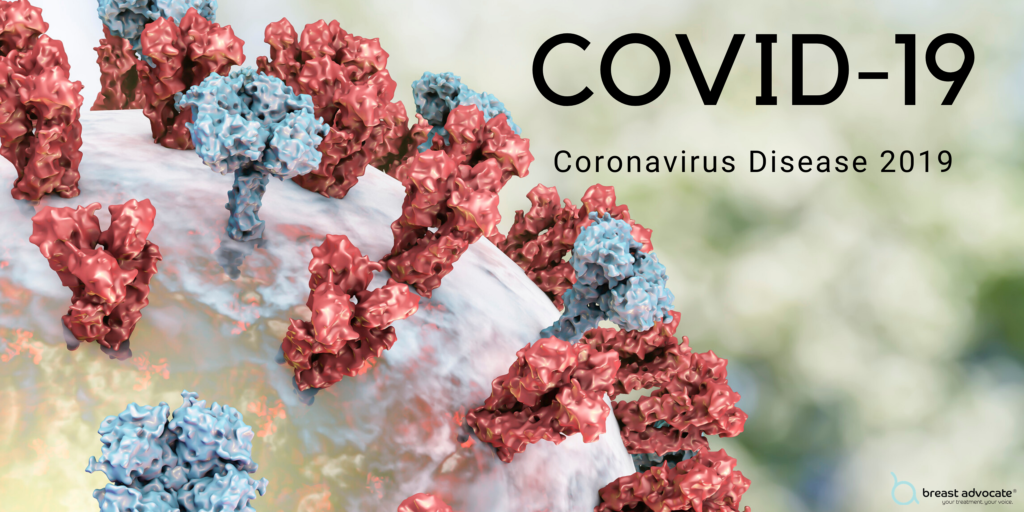
The coronaviruses are a family of viruses that cause illnesses ranging from the common cold to more serious respiratory diseases. Flu is caused by a different virus (influenza). There is no vaccine for this coronavirus yet and it will be several months before a vaccine is available.
The disease caused by Coronavirus, known as COVID-19, is a respiratory illness caused by a coronavirus previously only found in animals that was first identified in an outbreak in Wuhan, China, in December 2019. The disease is spread through mucus droplets from the nose or mouth that are released when an individual close to you coughs or sneezes. It is also possible that a carrier of the virus can infect others by simply exhaling close to them. The infection can also be spread by touching a surface that mucus droplets have landed on, and then touching your eyes, nose or mouth. Coronavirus can stay alive on surfaces outside the body for many days, depending on the surface (72 hrs – 5 days). The virus likes metal surfaces like door knobs, silverware and jewelry in particular (survives for 5 days).
It appears the Coronavirus is much more contagious than the Flu. People seem to be most contagious when they have symptoms, but you can also catch the virus from infected people who have no symptoms. At least 25% of people infected with Coronavirus won’t develop any symptoms at all, and can very easily unknowingly spread the virus. Those who do develop symptoms take on average 5 days to do so. For these reasons, Coronavirus is spreading much faster than the seasonal flu.
What are the symptoms of COVID-19?
Most people who become infected with coronavirus have mild respiratory symptoms, and some people will show no symptoms at all. However, symptoms can become severe in some people, and some have died from the illness.
Similar to symptoms associate with the flu or common cold, the most common symptoms of COVID-19 include fever, a dry cough and shortness of breath. The CDC recently added the following list of possible symptoms: chills, repeated shaking with chills, muscle pain, headache, sore throat, and new loss of taste or smell. Any of these symptoms can range from mild to severe.
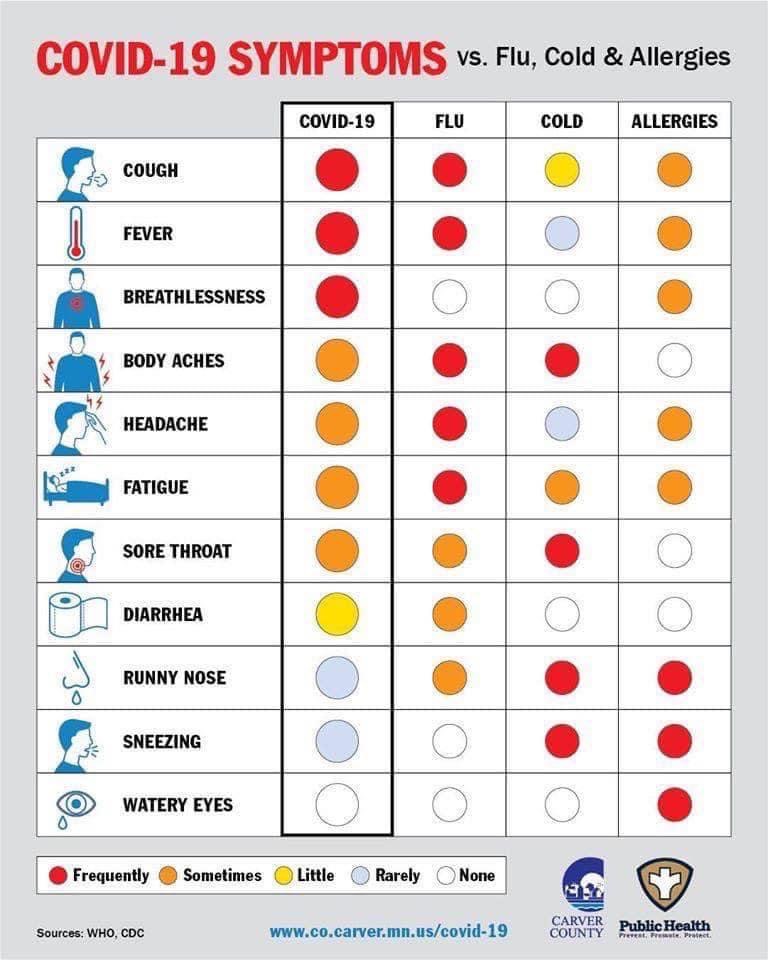
It is the impact on the lungs that doctors are most concerned about. According to the WHO, in people who have symptoms, about 40% will have mild symptoms, while 40% will develop mild to moderate pneumonia. About 15% of patients will need to be treated in hospital because of severe breathing difficulties. 5% will need the ICU and a ventilator. Patients who have recently completed or are undergoing cancer treatment are at higher risk of developing severe symptoms.
Based on the data available so far, the risk of death from COVID-19 in the general population is estimated by some models to be as high as 1%, which is 10x more fatal than the flu (about 0.1%). The real risk will only be known after widespread testing is available and we know how many people have been infected. Better knowledge of the disease process over time will likely also lead to improved, consistent treatment protocols that could also improve outcomes dramatically, and ultimately lower mortality to one that is more in line with the flu.
Most of the deaths have been in older patients with other medical conditions – the mortality rate for 60 – 64 year olds is about 4% for COVID-19. However, a significant number of younger people have also required admission to the hospital for supportive care. We are seeing deaths in all age groups, though younger, healthy people without other medical conditions appear to be at low risk for serious complications.
How do you protect yourself? Are there ways to reduce the risk of getting COVID-19?
Unfortunately, as of this post, there is currently no universally accepted treatment for Coronavirus. The anti-malarial drug hydroxychloroquine, either alone or in combination with azithromycin (Z-pack) and zinc, was initially reported as a potential “game-changer” treatment, but the data on whether this truly helps are mixed at best, and hydroxychloroquine can have significant side-effects. Several studies have actually cast serious doubt on the effectiveness of hydroxychloroquine for COVID-19. A recent study showed the antiviral drug Remdesivir can speed up recovery from a severe infection. However, for now, the best approach by far remains prevention.
People who recently completed or are currently in treatment for breast cancer are at higher risk for complications if they become infected. These recommendations will help protect you and reduce your risk of becoming infected:
- Social distancing – stay away from crowds and try to keep a distance of at least 6 feet between yourself and others when in public. The easiest way of avoiding the infection is to avoid people who are, or could be infected. Remember, many people who get infected won’t develop symptoms for several days. Cancel any non-essential doctor visits. If you can, please just stay at home.
- Wash your hands with soap and warm water for at least 20 seconds multiple times a day, especially after any contact with others. Use an alcohol-based hand sanitizer (containing at least 60% alcohol) when soap and water aren’t available.
- Avoid shaking peoples’ hands.
- Avoid touching your face, especially your eyes, nose and mouth.
- Clean and disinfect surfaces you touch daily, including household surfaces, the inside of your car, doorknobs, light switches, and your cellphone; make sure you use cleaning products that are effective in killing viruses.
- Politely tell friends and family who are sick to stay away from you.
- Make plans with your family or support structure in case you get sick.
- Ask your employer to work from home if at all possible.
- Fill your prescriptions and think ahead to make sure you’re not caught short with medications you need daily.
- Catch up on groceries and Make sure you have over-the counter medications like Tylenol in the house.
- Disinfect your groceries before putting them away, and wipe down or spray your mail and packages with disinfectant before bringing them into the house.
- Avoid unnecessary travel on public transport or airplanes.
- Avoid contact with people who have recently traveled to a highly impacted area.
- Postpone all non-essential doctors’ visits like routine follow ups.
- If you absolutely must leave the house, wear a cloth face mask over your nose and mouth, especially when going to stores or other areas where social distancing (6 ft) is difficult to maintain, or you will be in an enclosed area like a grocery store. You do not need to use a surgical face mask, so please do not hoard them. Our healthcare heroes on the front lines are in dire need of masks and other personal protective equipment.
What should you do if you develop symptoms?
If develop a fever, cough, or shortness of breath, please call your doctor. Most people with mild symptoms will be able to stay at home while the illness runs its course. However, if you develop symptoms you should definitely let your doctor know, by phone first before going in to see them.
If you develop a fever, don’t use ibuprofen – there is evidence that it may make this infection worse. Stick with Tylenol but be sure not to take more than the recommended dose.
What if you have surgery scheduled soon?
The decision to proceed with surgery will ultimately depend on several factors that need to balance the details of your diagnosis, the urgency of your surgery, travel requirements, and the protocols your team and hospital have in place. ‘Elective’ (non-urgent and non-emergent) surgeries have been on hold for many weeks now. Some facilities are now starting to allow elective procedures again, but this varies tremendously based on the geographic situation. It is very important for you to discuss this with your medical team. Learn more about the impact of COVID-19 on breast cancer treatment here.
This too shall ultimately pass!
Ultimately, we must keep reminding ourselves that this too shall pass. However, the above risk-reducing measures will not only protect you, but will also help decrease the spread of the virus. Social distancing is the best thing we can all do right now while we wait for a proven vaccine, and staying at home protects you and helps limit the spread of the virus as much as possible.
This is a constantly changing situation, so please be sure to check the CDC’s ongoing updates regularly.
Addressing Disparities between Black and White Women with Triple-Negative Breast Cancer
Multiple studies have shown that African-American women have poorer survival outcomes after a breast cancer diagnosis than white women. One significant contributing factor to these findings is that most studies include all types of breast cancer together. This approach can skew results as white patients have a higher incidence of estrogen receptor-positive breast cancer than black women, which has better outcomes than the more aggressive triple-negative form of the disease. A summary of the different types of breast cancer can be found here.
Survival rates between black and white women with triple-negative breast cancer (TNBC) appear to equalize when these cancers are found early with screening mammograms, a new JAMA study suggests. However, TNBC still remains about twice as common in black women.
This study emphasizes the importance of screening and early detection, particularly in traditionally underserved black women. Unfortunately, we still don’t know why black women experience a much higher rate of TNBC.
What you need to know about Breast Implant Illness (BII)
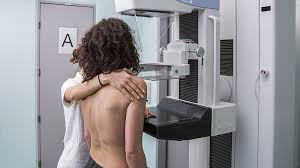
Breast Implant Illness (BII) is a recently described constellation of symptoms some women have described after receiving a breast implant either for cosmetic augmentation or breast cancer reconstruction.
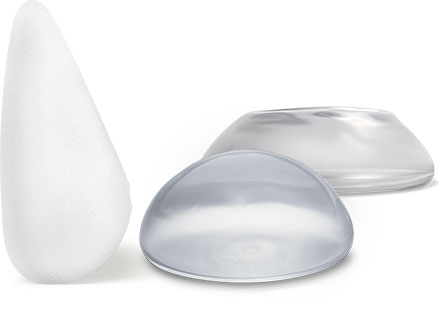
The US Food and Drug Administration (FDA) notes in public statements and on their website that they have received reports of some women who experienced symptoms with both saline and silicone gel-filled breast implants. These symptoms are termed “systemic” meaning occurring throughout the body and outside of the breast area. The FDA further explains that symptoms are very diverse between patients and may include fatigue, memory loss, rash, “brain fog,” and joint pain.
Patients and some caregivers have used the term “breast implant illness” (BII) to describe some or all of these symptoms. These symptoms may sometimes develop after only a few months or many years after receiving the implants.
Currently, these symptoms and what causes them are poorly understood and there are no known blood tests or imaging studies to test for or confirm BII. Even when women display these symptoms, blood tests are frequently normal and do not demonstrate any infection or inflammation.
There are no known factors that have been identified that increase risk of developing these symptoms. BII symptoms appear to only affect a small minority of patients receiving breast implants. The FDA notes that in some cases, removal of the breast implants without replacement has been reported to reverse symptoms of breast implant illness. Importantly, the FDA has not detected any association between breast implants and breast cancer or reproductive problems. Currently, researchers are investigating these symptoms to better characterize BII, understand the origins, and relation to breast implants.
For any patients that may experience these symptoms or for any injury with a medical device, the FDA encourages reporting by phone at 1-800-FDA-1088 or online at MedWatch, the FDA Safety Information and Adverse Event Reporting program.
About the author:
Dr Mark Clemens is a board certified plastic and reconstructive surgeon at the MD Anderson Cancer Center, and contributor to the Breast Advocate® App. Dr Clemens’ research interests include outcomes and translational research involving microvascular and prosthetic reconstructive surgery of the breast. He is also a leading authority on breast implant-associated anaplastic large cell lymphoma (bia-ALCL) and co-leads a multidisciplinary clinical and laboratory research team on the investigation of bia-ALCL.
WHO Increases Worldwide Access To Life-saving Breast Cancer Treatment
Last month the World Health Organization (WHO) announced the approval of a “biosimilar” Trastuzumab to help make breast cancer treatment more affordable for patients globally.
Biosimilar drugs are derived from living sources rather than chemicals. Biosimilars are approved according to the same pharmaceutical quality standards that apply to all medicines.
The WHO shared in their statement that the drug Trastuzumab, a monoclonal antibody, is an essential treatment for about 20% of breast cancers. It has shown high efficacy in curing early stage breast cancer and even some cases of more advanced disease. However, the average cost of the drug is around $20,000 a year making it difficult for most patients around the world to afford the treatment. The WHO-approved biosimilar version of the drug has the same effectiveness but costs about 65% less. This major cost difference gives hope to many seeking affordable access to treatment. Previously, other biosimilar versions of Trastuzumab have come to market, but none have passed qualification standards set forth by the WHO.
“WHO prequalification of biosimilar trastuzumab is good news for women everywhere,” said WHO director general Dr. Tedros Adhanom Ghebreyesus. “Effective, affordable breast cancer treatment should be a right for all women, not the privilege of a few,” he added.
“We need to act now and try to avoid more preventable deaths,” said WHO assistant director general for medicines and health products Dr Mariângela Simão. “The availability of biosimilars has decreased prices, making even innovative treatments more affordable and hopefully available to more people.”
Noteworthy Highlights from SABCS 2019
Breast cancer research continues to expand experts’ knowledge and understanding of the disease and how to treat it. Each year healthcare experts from across the globe gather in San Antonio to present the latest research findings at the San Antonio Breast Cancer Symposium (SABCS). Here is a great video overview of some highlights from this year’s meeting:
For more videos discussing specific studies presented at SABCS 2019, please click here.
Can Frequently Coloring or Straightening Your Hair Increase your Risk of Breast Cancer?
A recent study published in the International Journal of Cancer identifies a potential link between permanent hair dye and chemical hair straighteners with a higher risk of breast cancer. The study followed 46,709 women whose sisters had previously been diagnosed with breast cancer.
The results showed that the women who used permanent hair dye or straighteners (or applied straighteners to others) within the year prior to enrolling in the study were 9% more likely to develop breast cancer compared to the women who did not use these products. This association was even stronger in black women who showed a 45% higher risk of developing the disease; this is consistent with toxicology reports that have found higher concentrations of estrogens and hormone-disrupting chemicals in hair products marketed to black women. Women who only used temporary or semi-permanent dyes showed no increased risk for breast cancer.
Permanent hair dyes and chemical straighteners are used by many women and therefore represent a very prevalent exposure. This study suggests that frequent use of these products could increase the risk of breast cancer, particularly in women with a family history of the disease. There are also significant differences in risk based on ethnicity since products marketed to black women contain the highest amount of potentially carcinogenic chemicals.
Supplemental MRI Screening May Benefit Women with Extremely Dense Breast Tissue
Women with extremely dense breast tissue have a 4 to 6 times increased risk of developing breast cancer, and their cancers are also less likely to be detected on a mammogram. About 50% of women have dense breasts.
New laws in many US states were recently passed requiring mammogram reports to include information on the density of a woman’s breast tissue. Dense breast tissue is a risk factor for breast cancer and can make detecting breast cancer more difficult with screening mammograms alone. For this reason, more research is underway to determine how to best screen for cancer in women with dense breasts.
So what are “dense breasts”? Breasts consist of fibrous glandular tissue and fat. Dense breasts contain more fibrous tissue and less fat. On a mammogram, dense fibrous tissue has the same white appearance as a breast cancer. This can make it very difficult for radiologists to spot the breast cancer.
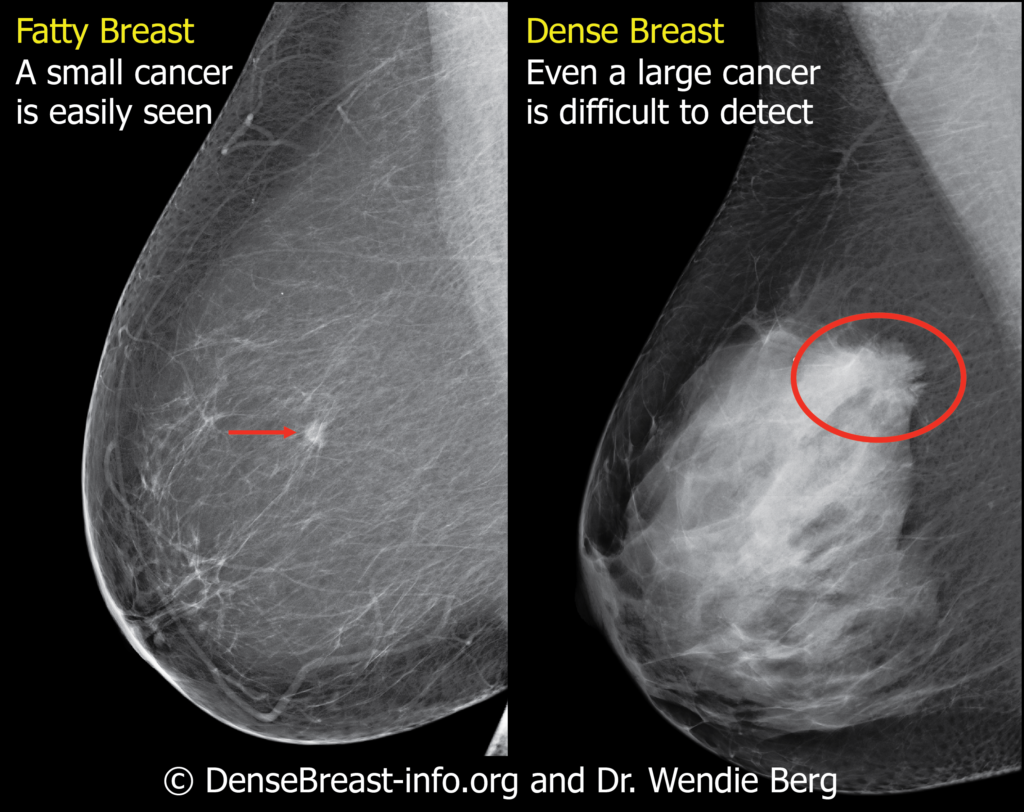
A long-standing question is whether or not women with dense breasts should undergo additional imaging screening tests in combination with mammograms. A new study published in the New England Journal of Medicine offers new insight supporting the addition of MRI screening to mammograms for women with extremely dense breast tissue.
The study was conducted in the Netherlands. 40,373 women between the ages of 50 and 75 years with extremely dense breasts and normal screening mammograms were randomized to undergo additional screening via MRI, or receive no additional screening. The study results showed the mammogram plus MRI group experienced 50% fewer interval cancers than the mammogram-only group during a 2-year period (2.5 vs 5 per 1,000 screenings, respectively). The tumors detected on MRI were smaller, of an earlier stage, and more likely to be node-negative than those detected in the mammography-only group.
This study suggests that a combination of mammograms and MRIs can be beneficial for women with extremely dense breast tissue in detecting breast cancer at an earlier stage than mammograms alone. However, it is important to note the results of this study do not suggest adding MRIs will decrease the death rates from breast cancer.
It is important to discuss your screening options with your health care team to see if additional MRI imaging would be beneficial for you based on your specific situation and risk of developing breast cancer.
Weight-loss Surgery May Decrease Breast Cancer Risk
According to US Centers for Disease Control and Prevention (CDD), obesity is associated with an increased risk for 13 types of cancer, including breast cancer.
For individuals at high risk for developing breast cancer, maintaining a healthy lifestyle and BMI is important for reducing the likelihood of developing the disease. In some situations, weight loss surgery may be a good option to help reduce the overall risk.
According to a new study presented by Cleveland Clinic Florida researchers at the 36th American Society for Metabolic and Bariatric Surgery (ASMBS) Annual Meeting at ObesityWeek 2019, weight loss surgery cut the overall risk of developing cancers linked to obesity by 20%. In fact, women with obesity and known genetic susceptibilities for breast cancer were 2.5 times more likely to develop breast cancer than women with the same genetic risk who underwent weight loss surgery.
“Our findings suggest bariatric surgery could significantly prevent the development of cancer in patients with a higher risk than the average population, even in those genetically predisposed,” said study co-author Emanuele Lo Menzo, MD, Ph.D., FASMBS, Associate Program Director, General Surgery Residency Program, Cleveland Clinic Florida in Weston. “The effect we saw on patients genetically predisposed to developing breast cancer was remarkable and we believe this is the first time a study has shown such an impact. Further studies are needed to determine the factors, including weight loss, that may have led to such risk reduction.”
It is interesting to note that a similar study of patients with severe obesity (BMI of 35 or higher) published in Annals of Surgery earlier this year showed weight-loss surgery was associated with a 33% decrease in the risk of developing any type of cancer, and a 40% decrease in the risk of being diagnosed with a cancer associated with obesity.
It is important to remember, even individuals with a healthy BMI are still at risk for developing cancer. The importance of achieving and maintaining a healthy weight is to reduce the likelihood of developing breast cancer – unfortunately, it is NOT guaranteed prevention.
If you struggle to maintain a healthy weight, you are not alone! In fact, maintaining a healthy weight is a challenge for most adults today. The CDC reports more than 70% of American adults are overweight.
Maintaining a healthy weight is also very important after breast cancer treatment to decrease the risk of a recurrence. However, add the impact of a breast cancer diagnosis and the side-effects of some treatments, losing weight after breast cancer is typically even harder. Weight loss surgery may therefore also be an option for some survivors to consider if all other options have been exhausted.
Most people know that calorie control and regular exercise are crucial in losing and maintaining weight, but few people realize 80% of weight loss is achieved through better food choices. Even when we think we’re doing well by choosing the salad, we don’t realize the dressing has more calories than a Big Mac! A consultation with a nutritionist or dietician is a very good place to start your weight loss journey, and can provide extremely useful guidance in planning healthier meals.
Staging Nipple-Sparing Mastectomy can Decrease the Risk of Complications
Nipple-sparing mastectomy (NSM) is the latest evolution in mastectomy technique. The procedure preserves the entire skin envelope and nipple-areola. Only the underlying breast tissue is removed. Nipple-sparing mastectomy significantly improves cosmetic results when combined with immediate breast reconstruction, and is oncologically safe when performed in appropriate candidates. It can also improve the return of sensation in some patients.
However, certain factors such as large breast size and a low nipple location can increase the risk of complications such as partial or even complete necrosis of the nipple and areola. There is some good news though for patients choosing NSM to decrease their risk of getting breast cancer (“prophylactic” or “risk-reducing” NSM)… “Staged” surgery with a breast reduction performed at least three months before the NSM significantly decreases these complications in patients with larger breasts.
According to a study published in Plastic and Reconstructive Surgery that compared the staged approach with the traditional all-in-one surgery, staged surgery patients experienced no major skin or nipple-areola necrosis. However, patients who did not reduce their breast size via a breast reduction before having their NSM and immediate reconstruction experienced major necrosis 22% of the time.
The staged approach allows surgeons to reduce the patient’s overall breast size, remove excess skin, and reposition the nipple-areola before the definitive NSM and reconstruction. By decreasing the overall size of the breast and relocating the nipple-areola to a more favorable position ahead of time, the demands on the blood supply at the time of the NSM are significantly reduced. This in turn decreases the risk of complications.
Staging does add an addition surgery and cost, along with a longer overall recovery period, but should be considered in patients who may otherwise not be good candidates for risk-reducing NSM due to large breast size or a low-lying nipple-areola. Patients with a cancer diagnosis are usually not candidates for this staged approach due to the delay it adds to treatment of the cancer.