How to Contact Your Senator and Representative
How to use this information:
1. Find your state
2. Click the link next to your state for the Senator or Representative to open their contact page
3. Copy and paste your letter into the appropriate message box on the contact page. For a sample letter click here.
4. Please be sure to contact both the Senator and Representative for your state
Thank you!
Sign Up For Our Newsletter!
Contact Us
How to Delete Your Account and Data
Please contact us here if you no longer require access to the Breast Advocate® app and would like to delete your account and all associated data. Be sure to include the email address you used to register the account and “delete my account and data” in the subject line.
Once your account and data are deleted, please know that if you wish to use the app again in the future you will have to create a new account.
Thank you.
The Breast Advocate® team
New Resource To Help Patients Understand Inflammatory Breast Cancer (IBC)

The National Comprehensive Cancer Network (NCCN) recently updated its patient guidelines for Inflammatory Breast Cancer. NCCN guidelines provide transparent, evidence-based, expert consensus recommendations for cancer treatment, prevention, and supportive services.
What is Inflammatory Breast Cancer (IBC)?
Inflammatory breast cancer (IBC) is a rare and aggressive form of breast cancer where cancer cells block lymphatic channels in the breast skin. This causes the breast to look red and swollen, and feel warm or hot to the touch, hence the term “inflammatory”. In the US, inflammatory breast cancer accounts for 1-6% of all breast cancer cases in the United States. The disease tends to be diagnosed earlier in life and more often in women with African ancestry.
“A diagnosis of inflammatory breast cancer can be terrifying for the patient as well as their family. Most people don’t know there are different types of breast cancer and need specific information that is designed for patients to help them understand that treatment will be somewhat different and why that’s important,” said Ginny Mason RN, BSN, Executive Director, Inflammatory Breast Cancer Research Foundation and IBC Patient.
Symptoms and Signs of Inflammatory Breast Cancer (IBC)
The symptoms of IBC can be striking but sometimes start out as a subtle difference from the normal appearance of the breast. However, IBC progresses quickly (over the course of days to a few weeks) and very early on can break away from the initial tumor site and invade local lymphatic and blood vessels. Early diagnosis is therefore particularly important with this type of breast cancer.
Symptoms of IBC include:
- A feeling of breast heaviness
- The breast being warmer than usual to the touch
- Persistent itching
- Breast tenderness or pain
- A feeling of milk being let down (not during breast-feeding). Liquid may leak out of the breast and then crust over.
If you experience any of these symptoms, please contact your physician straight away.
The appearance of the breast can be very different from other types of breast cancer:
- IBC causes a swollen breast (can become 2-3 times the normal size). This can be a rapid change.
- Red skin discoloration. Skin redness, or even a bruised (blue/purple) appearance is common with IBC (involving a third or more of the breast).
- Peau d’orange skin appearance (like an orange)
- Ridging
- Inverted or flattening of the nipple
- Skin thickening
- Swollen lymph nodes may also be present under the arm, near the collarbone, or in both places.
A palpable breast lump may or may not be found with IBC. IBC is frequently not felt and frequently missed on mammography, which is why patients should not ignore the other symptoms if a lump is not found. More sensitive imaging methods such as MRI can highlight IBC in women who have “clear” mammograms or who have highly dense breasts that show up as white on a mammogram.
New IBC Guidelines for Patients
The NCCN patient guidelines offer important information so people understand the latest treatments and their options. The new IBC guidelines for patients explain details of the typical course of treatment: systematic therapy (chemo) to shrink the tumor, surgery to remove the affected breast and axillary lymph nodes, and radiation therapy. In many cases, patients may unfortunately have advanced or even metastatic disease by the time of their diagnosis, often because the initial subtle symptoms and signs have been ignored.
“Having easy access to the NCCN patient guidelines empowers people to advocate for themselves when making tough decisions,” added Mason.
With prompt diagnosis and treatment, inflammatory breast cancer is a treatable condition, and the number of long-term survivors is steadily increasing. Learn more about IBC here.
Sample Letter for Your Senator and Representative
Please feel free to copy and paste the letter below as is, or edit as you see fit with your own voice and/or experiences.
You can find your state’s Senator and Representative contact information here.
Dear [Senator / Representative name here],
As woman and a constituent, I request that you please join the fight to protect breast cancer patients’ rights and access to quality breast cancer treatment under the Women’s Health and Cancer Rights Act (WHCRA) of 1998. Recent changes in medical coding by the Centers for Medicare and Medicaid Services (CMS) are drastically limiting the breast reconstruction options women have available through their insurance plans, potentially making procedures like the DIEP flap, which is the gold standard technique for breast reconstruction, a viable choice only for the very wealthy.
Women diagnosed with breast cancer, or a genetic mutation that predisposes them to the disease, will need to consider mastectomy as one of the countless treatment decisions they face. Several options are available for those who choose to have breast reconstruction, including (i) autologous “flap” reconstruction (using the patient’s own tissue), or (ii) implant-based reconstruction (insertion of a breast implant).
While implants are very frequently used for breast reconstruction, they are associated with device failure, high re-operation rates, Breast Implant Illness (BII), and malignancies such as Anaplastic large-cell lymphoma (ALCL). Having access to breast implant alternatives is therefore desperately needed.
Microsurgical (or “free flap”) reconstruction refers to tissue transplanted from another part of the patient’s body. While there are several types of microsurgical flap procedure, the most commonly performed use the patient’s lower abdominal tissue. The skin and fat below the belly button feels very similar to breast tissue and is therefore the preferred option to replace the tissue removed by the mastectomy.
The traditional technique that transfers the lower abdominal tissue, known as the TRAM (transverse rectus abdominis myocutaneous) flap, sacrifices the patient’s abdominal muscle as part of the procedure. TRAM flap surgery is associated with long hospitalizations, prolonged recovery, decreased abdominal strength, and complications such as hernia formation because it removes all or part of a woman’s core abdominal (rectus abdominis) muscles. Some patients suffer long term disability from removal of their abdominal musculature.
As breast reconstruction techniques have evolved, the DIEP (deep inferior epigastric perforator) flap revolutionized reconstruction by providing a natural, warm, soft breast without permanently damaging the abdominal muscles. Since the DIEP flap preserves abdominal muscle, it is associated with significantly better patient outcomes including shorter hospital stays, faster recovery, and a lower risk of complications compared to the TRAM flap. For these reasons, the DIEP flap is the gold standard for breast reconstruction today. From a patient perspective, even though both the DIEP and TRAM procedures use lower abdominal tissue, we face very different propositions with potentially vastly different outomes.
Until recently, DIEP flap breast reconstruction and other complex microsurgical breast reconstruction procedures (such as GAP flaps and stacked flaps) had unique insurance codes, known as “S-codes”. These are specialized codes that were created to allow US plastic surgeons to bill insurance plans for these complex breast reconstruction procedures that require greater expertise than the older techniques.
In 2019, the CMS combined all microsurgical breast reconstruction procedures together under one code. In January 2021, CMS made the further decision to eliminate the S-codes: sunsetting of codes S2066, S2067 and S2068 has been scheduled for December 31, 2024. This means that plastic surgeons will no longer be able to use S-codes for billing insurance companies for these very complex surgeries. Moving forward, surgeons performing a DIEP flap reconstruction will only be able to bill insurance plans using the same rate as the older, less sophisticated free TRAM flap procedure.
While plastic surgeons will still theoretically be able to offer the DIEP flap and the other modern procedures under the “catch-all” 19364 code, the anticipated sunsetting of the S-codes has already led to some insurance plans slashing physician reimbursement for DIEP flap reconstruction so much, fewer surgeons are now offering the procedure through insurance. This in turn is limiting our access to this gold standard reconstructive option. Multiple commercial health insurers will likely follow suit and as a result, fewer American patients will have access to DIEP flap surgery and other advanced microsurgical breast reconstruction options through their insurance plans. The most likely outcome is that very soon, only the most wealthy of Americans will have access to these advanced types of reconstructive surgery.
One in eight women will be diagnosed with breast cancer in their lifetimes, and there are over 3.8 million women survivors in the U.S. today. The consequences of these coding changes are potentially catastrophic as they will significantly limit our access to the modern, muscle-preserving reconstructive techniques that we have the right to consider through insurance under WHCRA. As outlined above, this is happening already because insurance companies are taking advantage of the recent coding changes at our expense. For this reason, we respectfully request this coding issue is remedied immediately. Additionally, the current language in the WHCRA is dated and does not go far enough to prevent this. The language in WHCRA must therefore be updated and strengthened significantly to ensure insurance companies cannot use breast reconstruction coding changes (recent or future) to their advantage at the cost of patient access. An updated WHCRA must protect full, affordable patient access to all breast reconstruction procedures through insurance, including modern muscle-preserving microsurgical procedures like the DIEP flap, irrespective of the billing code(s) used now or in the future. After all, what good is having rights if we don’t have access?
Thank you for your attention, and support of the breast cancer community.
Sincerely,
[Your name here]
4 Tips For Managing Financial Stress During Breast Cancer

Common side effects of cancer treatment include nausea, hair loss, pain, and fatigue. However, the potential impact of the financial costs of care on the patient and their family—also referred to as financial toxicity—is a greatly under-appreciated, hidden “side-effect” that sets-in at the worst possible time. According to a recent study, nearly 80% of women experience financial stress during breast cancer treatment.
Fortunately, there are many resources dedicated to making cancer treatment more affordable. Here are some helpful tips for coping and managing financial stress during and after a cancer diagnosis:
1. Don’t be afraid to ask for help.
Say “yes” if friends or family offer to help. They can help you with paperwork, analyzing and paying bills, checking out your insurance, and gathering information about payment plans. If possible, bring someone who is helping you with your financial responsibilities, and have them ask lots of questions. Also, remember, family and friends often want to help, but often don’t know exactly how. Consider delegating anything you feel comfortable delegating, even in part, to take some of the weight off your shoulders.
2. Contact organizations for help with cancer-related costs.
There are many organizations that can help with expenses related to medical treatment, food, dental care, everyday living, legal resources, and more. Reach out to your HR department at work, or a hospital financial adviser for insight on how to get the most out of your insurance, including help with deductibles and co-pays.
3. Reach out to non-profit organizations.
Many national and local breast cancer organizations provide financial assistance to patients (and their families) to help decrease financial stress during breast cancer treatment. Ask your health care team if they have any recommendations. Other patients you meet can also be a very valuable resource for information on organizations they have found helpful themselves.
4. Tell your doctor immediately if you are concerned about the financial costs.
It’s important to be aware of upfront and out-of-pocket costs when discussing treatment options with your medical team. Your team may be a able to tailor your treatment in a more cost-effective way without negatively impacting your care. Knowing more about the costs that lie ahead is also very important so you can plan and budget accordingly.
Helpful Resources During and After Breast Cancer Treatment
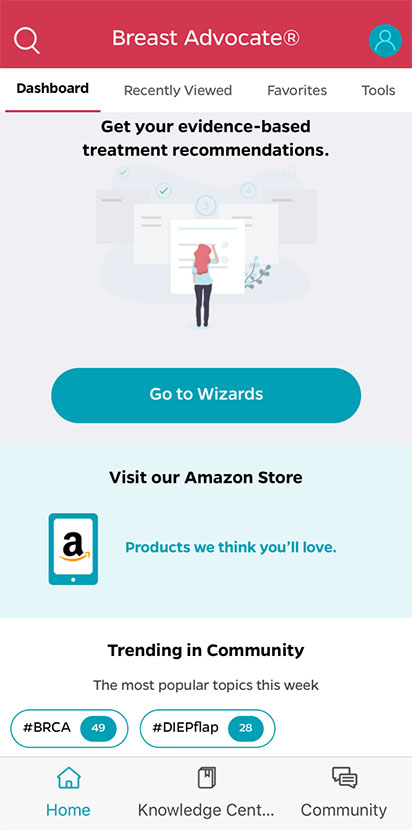
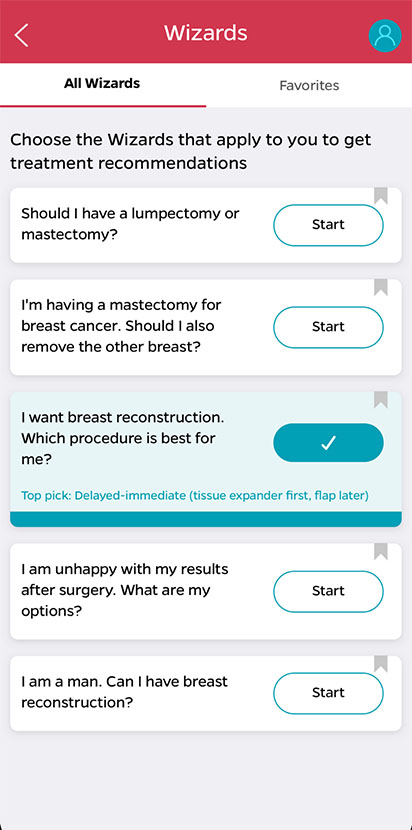
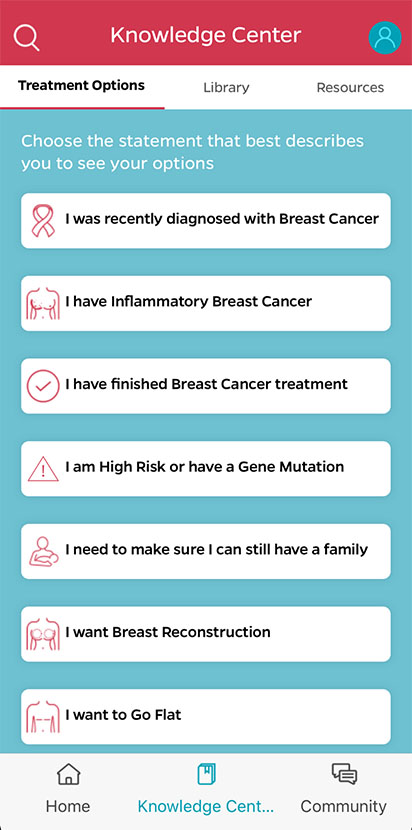
There are many reputable organizations that can help you and your family after a breast cancer diagnosis. To access them, download the Breast Advocate App free here. Click on “Knowledge Center” and then “Resources”. There you will find links to organizations that can provide assistance in many ways, including financial:
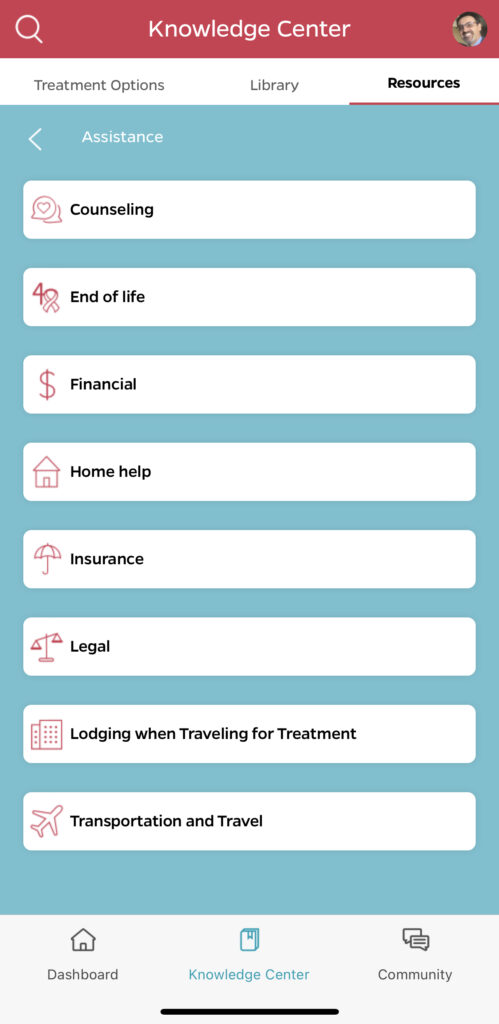
Please also let us know of any organizations that you have found helpful. We are constantly adding reputable resources and would love to hear your recommendations!
Patient Access To DIEP Flap Breast Reconstruction In Jeopardy

Patient access to DIEP flap surgery and other modern breast reconstruction procedures is under threat in the US because of changes in insurance coding by the Centers for Medicare & Medicaid Services (CMS).
Breast Reconstruction Options
Women diagnosed with breast cancer, or a genetic mutation that predisposes them to the disease, will need to consider mastectomy as one of their countless treatment decisions. Several options are available for those who choose to have breast reconstruction. These include (i) autologous “flap” reconstruction (using the patient’s own tissue), or (ii) implant-based reconstruction (insertion of a breast implant).
Microsurgical (or “free flap”) reconstruction refers to tissue transplanted from another part of the patient’s own body. The skin and fat below the belly button feels very similar to breast tissue. It is therefore the preferred option to replace the tissue removed by a mastectomy.
The traditional technique that uses the lower abdominal tissue is known as the TRAM (transverse rectus abdominis myocutaneous) flap. This sacrifices the patient’s abdominal muscle as part of the procedure. Since it removes all or part of a woman’s core abdominal (rectus abdominis) muscles, TRAM flap surgery can be associated with long hospitalizations, prolonged recovery, decreased abdominal strength, and a higher risk of abdominal complications such as hernia formation.
As breast reconstruction techniques have evolved, the DIEP (deep inferior epigastric perforator) flap revolutionized reconstruction by providing a natural, warm, soft breast without permanently damaging the abdominal muscles. Since the DIEP flap preserves abdominal muscle, it is associated with shorter hospital stays, faster recovery, and a lower risk of complications compared to the TRAM flap. For these reasons, the DIEP flap is considered today’s gold standard in breast reconstruction.
Coding Changes – What Happened?
The DIEP flap and other advanced, modern microsurgical breast reconstruction procedures (like the GAP flap, stacked flaps) currently have unique billing codes in the US, known as “S-codes”. These specialized billing codes allow US plastic surgeons to bill insurance plans for these more complex procedures that require additional training and expertise.
In 2019, CMS combined all microsurgical breast reconstruction procedures together under one code (CPT 19364). In January 2021, CMS made the further decision to eliminate the S-codes. Sunsetting of these codes is scheduled for December 31, 2024. After that date, surgeons performing a DIEP flap reconstruction will only be able to bill insurance plans using the same code as the older, less spohisticated free TRAM flap technique.
Despite the S-codes still being in effect until December 31, 2024, some insurance plans are already declaring their intent to stop covering DIEP flap surgery under the S-code. Between now and next year, multiple commercial health insurers will likely follow suit. As a result, fewer patients will have access to DIEP flap surgery and other advanced microsurgical breast reconstruction options through insurance. In fact, this situation is already playing out. Very soon, it is possible that only the most wealthy of American patients will have access to these modern surgeries. If we don’t act now, this situation will become the new status quo in the US.
What This Means for Patient Access
According to Breast Advocate founder and PRMA Plastic Surgery President, Dr. Chrysopoulo, “CMS coding changes alone do not make surgeries defunct. What we have here is a patient access issue.”
The Women’s Health Cancer Rights Act (WHCRA) of 1998, states that insurance coverage must be provided for your breast reconstruction, symmetry procedures of the remaining breast, and treatment of complications like lymphedema, if you are receiving benefits in connection with a mastectomy and choose to have breast reconstruction.
Unfortunately, the current language in the WHCRA is dated and does not go far enough in protecting patient access to modern reconstruction techniques like the DIEP flap.
What Breast Advocate founder, Dr. Chrysopoulo, Has To Say
“Ultimately, what good are breast reconstruction rights if patients don’t have access to modern surgical techniques?”, says Dr. Chrysopoulo. “Now is the time for patients and surgeons to come together and push for WHCRA to be updated. This is the only way to ensure patients continue to have access to all their post-mastectomy reconstructive options long-term, regardless of what happens on the coding front, which is extremely political.”
How Can You Help?
We strongly urge patients to use their voices! Please contact your state’s Senator or Representative immediately: request this coding issue is remedied, and WHCRA is updated to ensure insurance companies provide full patient access to all modern breast reconstruction options, regardless of the billing codes used now and in the future.
For your Senator’s and Representative’s details please click here.
For a sample letter click here.
Vitamin D and Breast Cancer: Is There a Link? 

There has been some discussion about the connection between vitamin D levels and breast cancer. Recent studies show low vitamin D levels may increase the chance of cancer recurrence and sufficient vitamin D supplementation is cancer preventative. Vitamin D has additional benefits for those attempting to reduce their chance of developing breast cancer and those undergoing treatment.
What is Vitamin D?
Vitamin D is also known as calciferol or the “sunshine vitamin.” It is a fat-soluble vitamin that supports the growth of bones and teeth. Sunlight exposure helps the human body naturally produce vitamin D. The body starts producing vitamin D when ultraviolet (UV) rays from the sun are in contact with the skin. The vitamin can be consumed as a supplement and is also found in some foods.
How to Get Enough Vitamin D in the Winter
- Go outside – even if it’s cold: It’s important to get at least 5 to 15 minutes of sunlight per day – up to 30 minutes if you are darker complected.
- Include vitamin D-rich foods in your diet: Vitamin D is a fat-soluble vitamin that helps the body absorb and retain calcium and phosphorus.
- Take a vitamin D supplement: The recommended daily amount of vitamin D is 400 international units (IU) for children up to age 12 months, 600 IU for people ages 1 to 70 years, and 800 IU for people over 70 years.
- Pay attention to calcium: One of vitamin D’s major roles is to help you absorb calcium. Your body needs calcium to build strong bones when you’re young and keep bones strong as you age. Calcium is necessary for everyone, but it’s especially important for women.
- Talk to your doctor about your medications: Sometimes low sunlight isn’t the only problem. Certain medications can hurt your vitamin D levels.
Foods High in Vitamin D
The following list of foods includes vitamin D:
- Fatty fish (trout, salmon, tuna, mackerel, sardines)
- Fish liver oils
- Beef liver
- Egg Yolks
- Mushrooms
- Shrimp
Vitamin D is frequently added to the following foods:
- Milk or milk substitutes
- Cheese and juice
- Yogurt
Breast Cancer Recurrence
The correlation between vitamin D levels and breast cancer is a subject of debate among scientists. One explanation is that there are multiple research variables, including different cutoff values used in studies to gauge vitamin D deficiency.
Many studies have revealed that a significant portion of those who are given breast cancer diagnoses have poor vitamin D levels. People with low vitamin D levels may be more prone to cancer development and recurrence (metastasis).
According to one study, 34% of the control group had vitamin D levels above 20 ng/ml at the time of diagnosis, while 45% of those with breast cancer did not. According to research, vitamin D contains anticarcinogenic characteristics, which may help prevent the growth of cancer cells.
Overall, Health and Wellness
Vitamin D deficiency can be harmful to your overall health. Your body needs vitamin D to support cardiovascular (heart), reproductive, immune, nervous, and skeletal muscle function.
Some specific roles of vitamin D in the body include:
- Bone growth and repair
- Supporting muscle movement allows the brain to receive signals from nerves
- Decreasing inflammation
- Building immunity
- Promoting cell division and growth
- Supporting glucose metabolism
More Information
To learn more about vitamin D and breast cancer, visit the U.S. National Cancer Institute.
Coping with the Stress of Cancer During the Holidays

Holidays are traditionally viewed as a time to celebrate. During this season, many people enjoy spending time with family and friends, exchanging gifts, and celebrating traditions.
However, according to experts, it is common for breast cancer patients and their loved ones to have trouble coping with the stress of cancer during the holidays and feel “out of touch” with the rest of the world during this time.
Tips to Help Cope with Cancer During the Holidays
1. Prioritize yourself: Accept where you are and take the pressure off yourself. If you are feeling tired and less social, know those feelings are normal. “Our stress hormones are in high gear when we’re going through cancer treatment,” shares Patricia Ganz, M.D., Director of Cancer Prevention and Control Research.
When faced with stressful situations, people often have high expectations for themselves and others. Let go of any expectations and allow yourself to be where you are emotionally and physically.
2. Adjust your traditions: Decide which holiday traditions are most important to you and adjust them to fit your needs. If you love hosting holiday parties, consider getting food delivered from a nearby restaurant and asking for help with cleaning and decorating. Set a holiday budget and shop online. These small changes will help you enjoy the Christmas season without becoming stressed.
3. Enjoy every moment: Focus on making new traditions with your loved ones instead of focusing on how cancer has changed a holiday or special occasion. If you can’t make it to every event, use FaceTime or Zoom to stay in touch with your friends and family.
4. Surround yourself with support: Communicate what you need physically and emotionally and don’t close yourself off from relationships. Talking through your emotions is important. It’s okay to let yourself cry and feel all the feelings. Find a significant other, friend, or family member who can help make the holidays as pleasurable as possible.
For Family and Friends
Managing your own emotions and worries while caring for someone with cancer during the holidays can be difficult to navigate. Here are a few things to keep in mind:
1. Discuss expectations: It’s important to listen and be respectful of your loved one’s needs this holiday season.
2. Take the pressure off: Create an environment where your friend or loved one feels comfortable sharing their needs during this time. Continue to offer invitations and make plans, but don’t be offended if they aren’t able to attend.
3. Recognize when your loved one needs support: Pay special attention to their emotions. “You don’t even have to ask someone directly if they are depressed—you can ask about mood, sadness, and symptoms that may be indicators of depression, such as fatigue, trouble falling asleep, and trouble concentrating,” explains Ganz.
Let them know they are not alone and that it’s okay to ask for help. There are many resources available for patients and caregivers. Contact your loved one’s healthcare team for more information to ensure you are both getting the support you need.
You can find more information on managing stress during the holidays here.
FDA Reports Rare Cancers in Scar Capsule Around Breast Implants
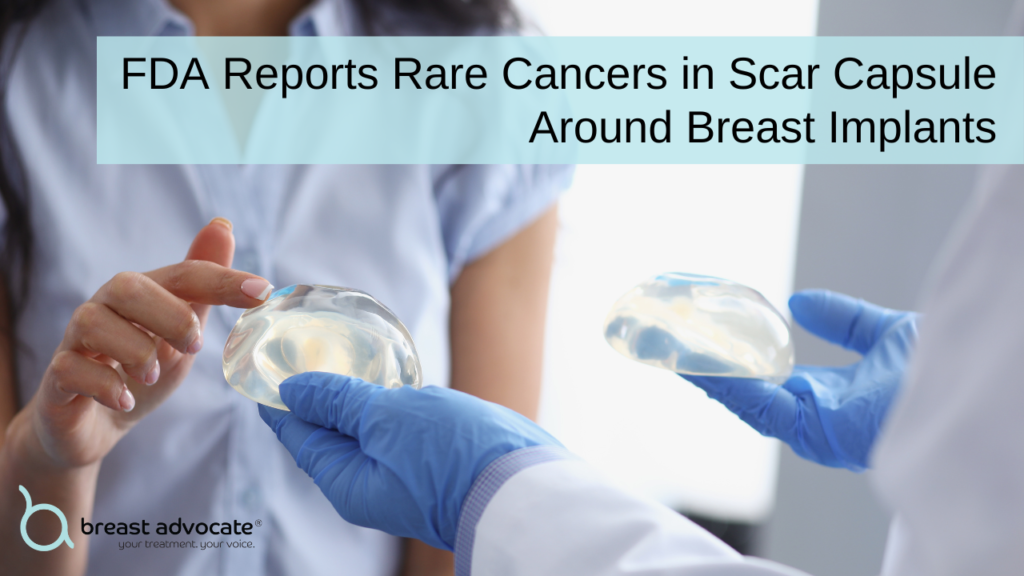
According to a recent report from the U.S. Food and Drug Administration (FDA), squamous cell carcinoma (SCC) and various lymphomas may develop in the capsule that forms around breast implants. The lymphomas are not the same as the breast implant-associated anaplastic large cell lymphoma (BIA-ALCL) that prompted previous FDA announcements. The FDA learned about the newly associated cancer during a post-market review of breast implants.
It is very important to know that these cancers are extremely rare. Less than 20 cases of SCC and fewer than 30 cases of lymphoma were found in the capsule around a breast implant.
“After an initial extensive review, we currently believe that the risk [for squamous cell carcinoma] and other lymphomas occurring in the tissue around breast implants is rare,” said Binita Ashar, MD, director of the Office of Surgical and Infection Control Devices in the FDA’s Center for Devices and Radiological Health. “However, in this case, and when safety risks with medical devices are identified, we wanted to provide clear and understandable information to the public as quickly as possible.”
The Type of Implant Probably Doesn’t Matter
The type of implant appears to be irrelevant – all types of implants (smooth, textured, saline, and silicone) have been linked to SCC and lymphomas in the scar capsule around the implants. In some cases, women were diagnosed years after the placement of their implants. Some signs and symptoms include swelling, pain, lumps, or skin changes.
If you are considering breast implants or currently have them, the FDA recommends the following:
- Ensure you are fully educated about the risks and benefits of breast implants.
- Be aware that cases of SCC and various lymphomas in the capsule around the breast implant have been reported, but they are rare.
- You should monitor your breasts and implants by regular self-exam and contact your plastic surgeon about any changes.
- File a report through MedWatch if you experience any problems.
What Doctors Should Know
If you are a healthcare professional caring for patients with breast implants, the FDA recommends you:
- Be aware that cases of SCC and lymphomas in the capsule around the breast implant have been reported.
- When examining breast implant specimens for diagnostic evaluation, characterize all findings and potential diagnoses.
- Report cases of SCC, lymphomas, and any other cancers in the capsule around the breast implant to the FDA.
The FDA said their consumer and healthcare recommendations don’t affect the previously provided suggestions on BIA-ALCL. They are continuously assessing the post-market safety of approved breast implants and will communicate any findings as soon as new information is available.
If you would like to learn more about ALL your breast reconstruction options, download the Breast Advocate App free today!